
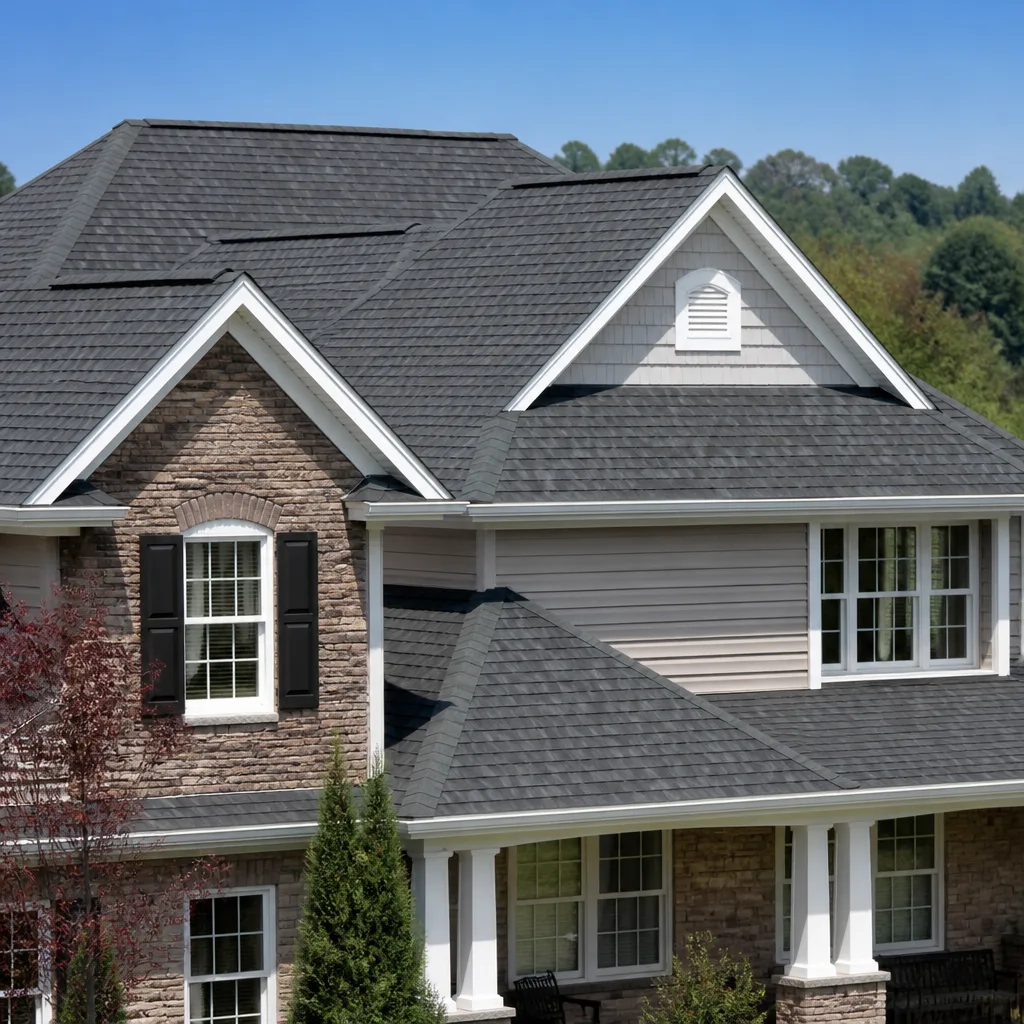
 Architectural shingles
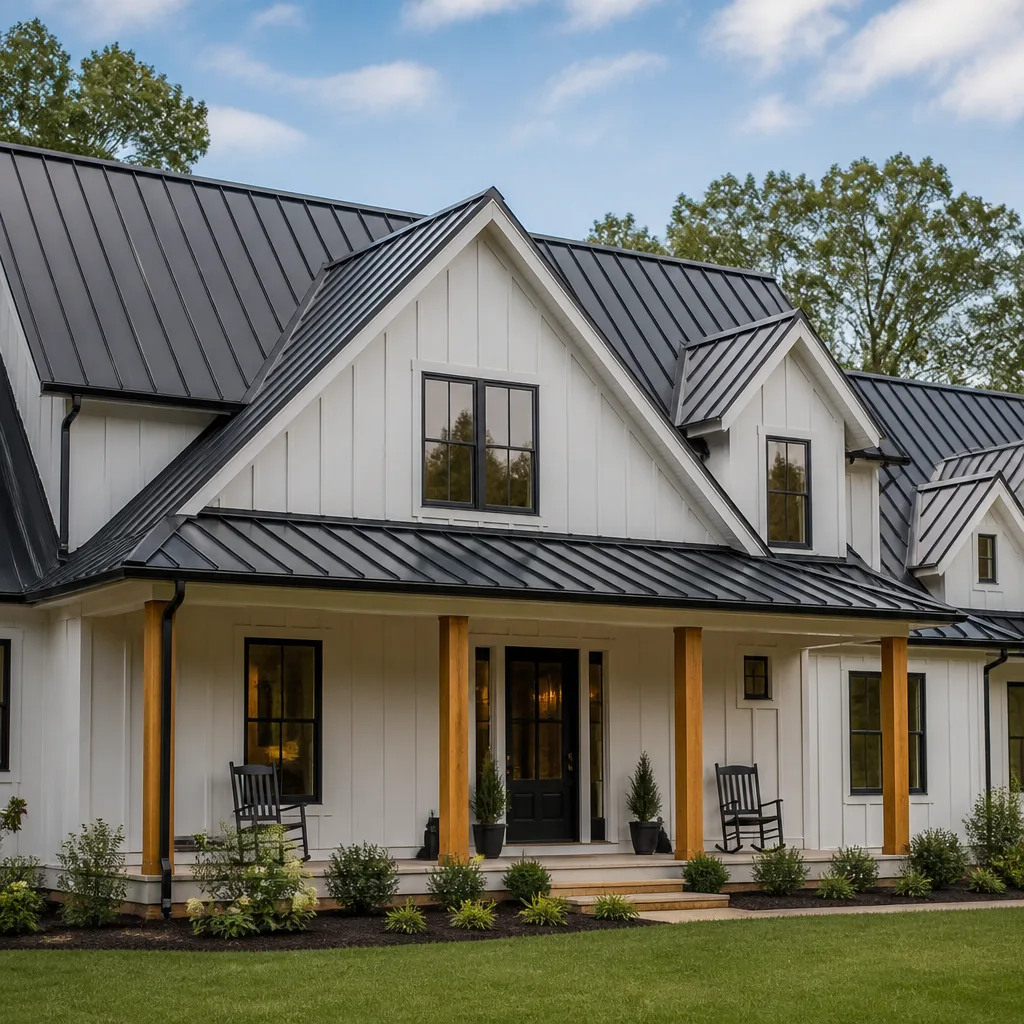 Metal roofing
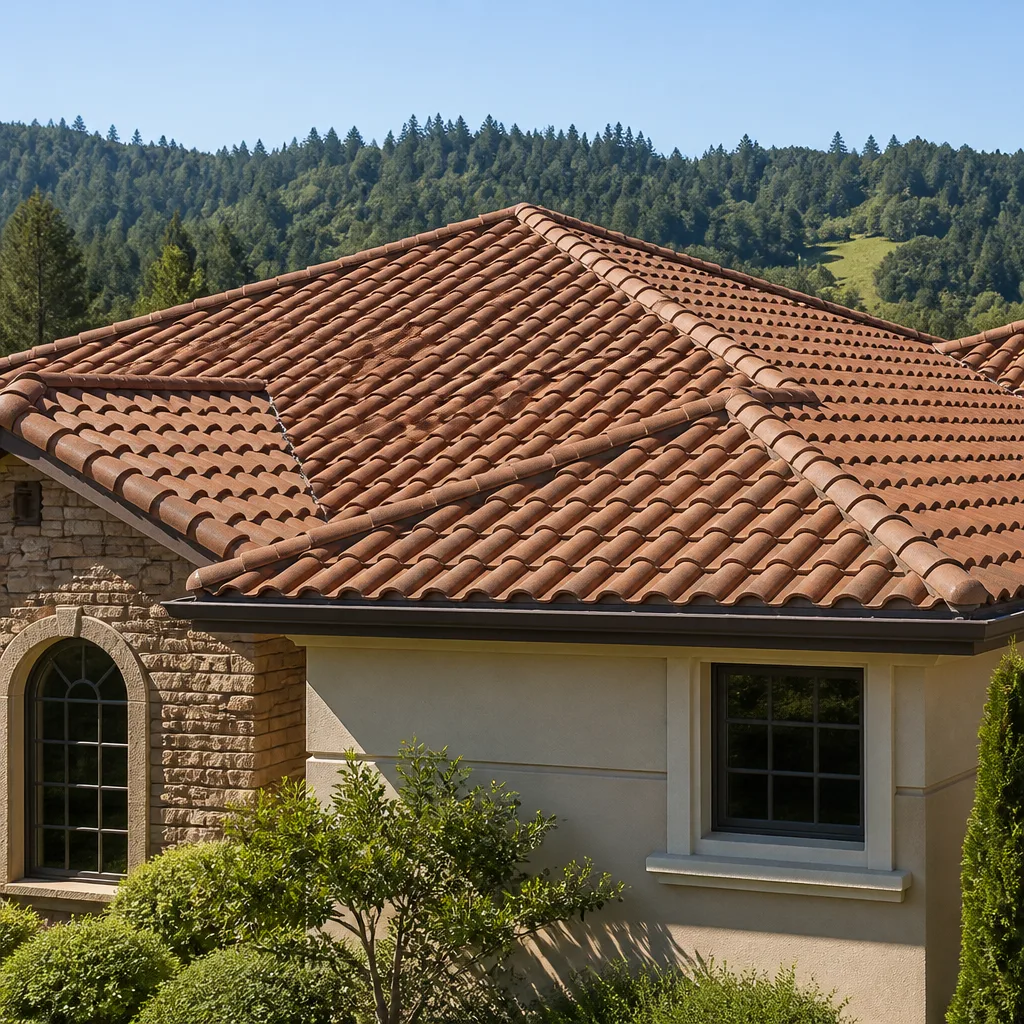 Tile roofing
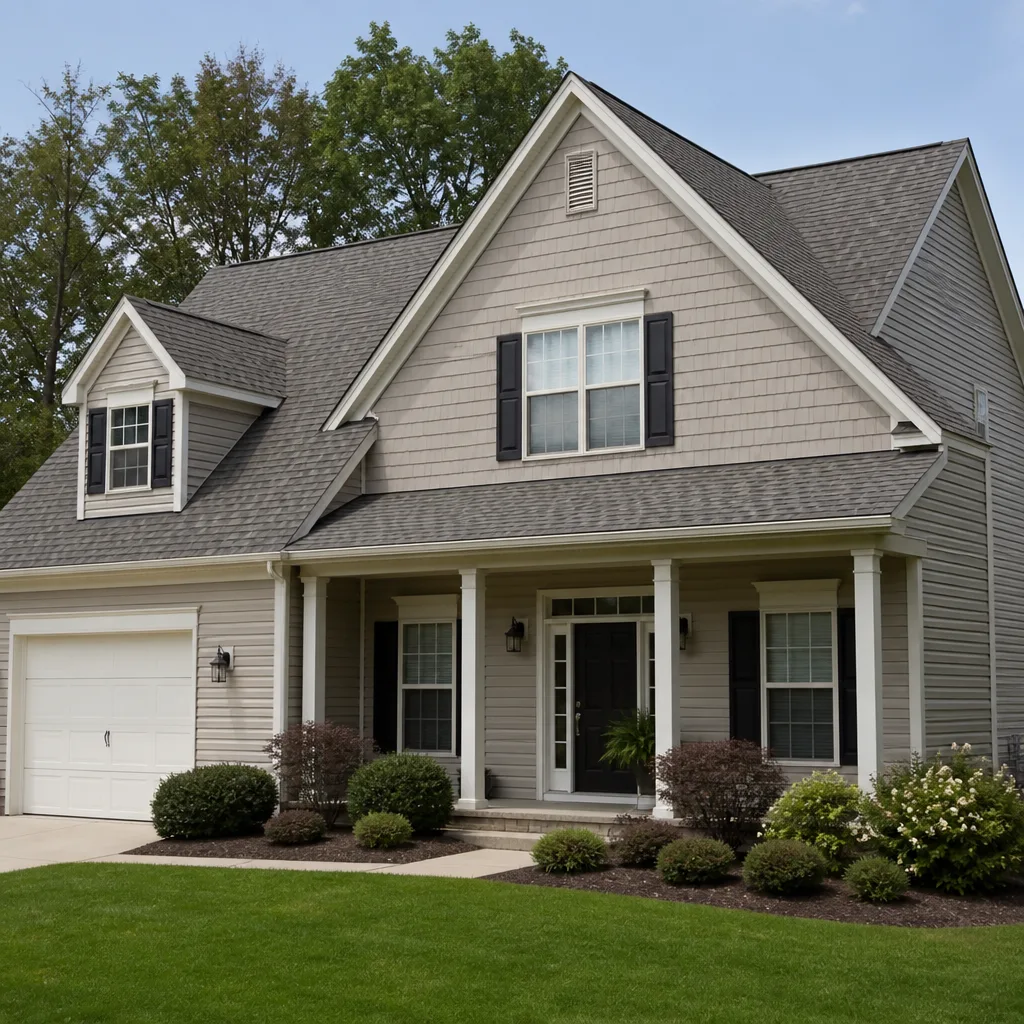 GAF
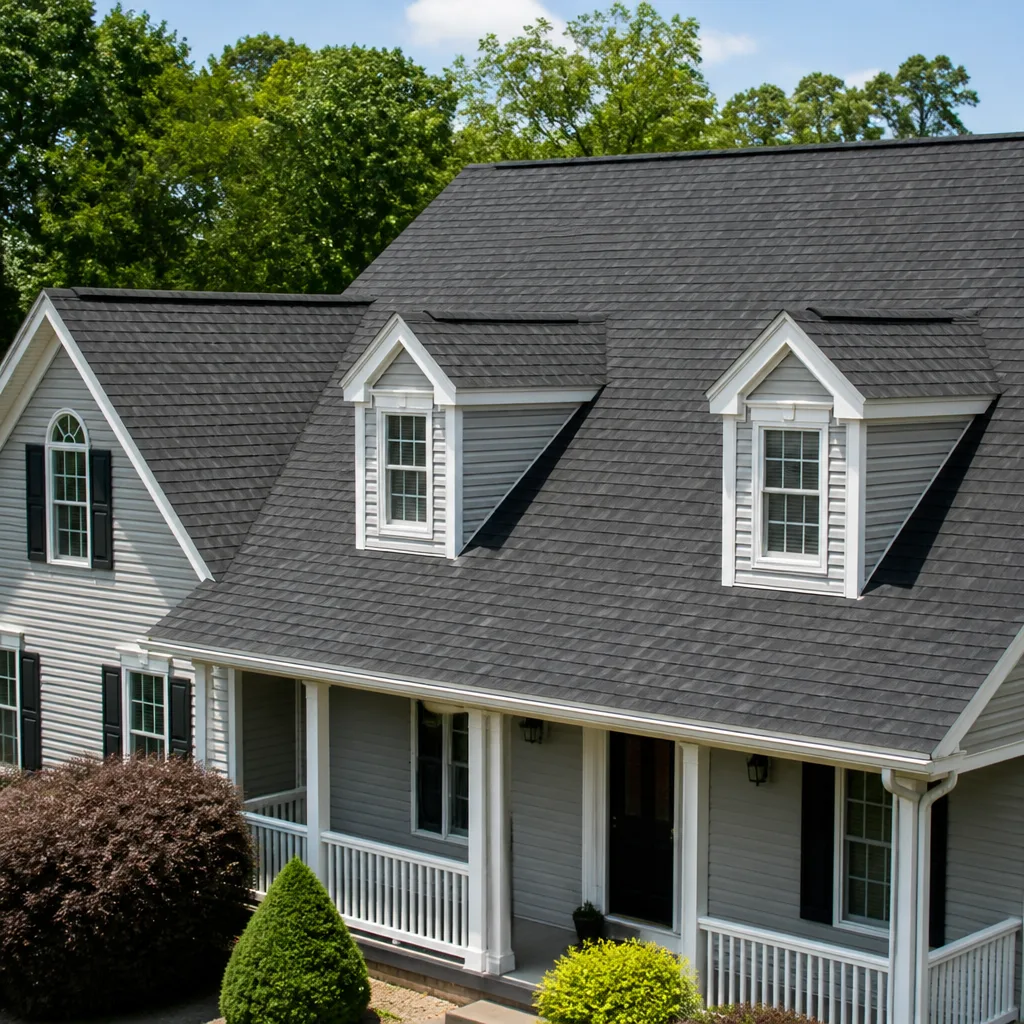 Owens Corning
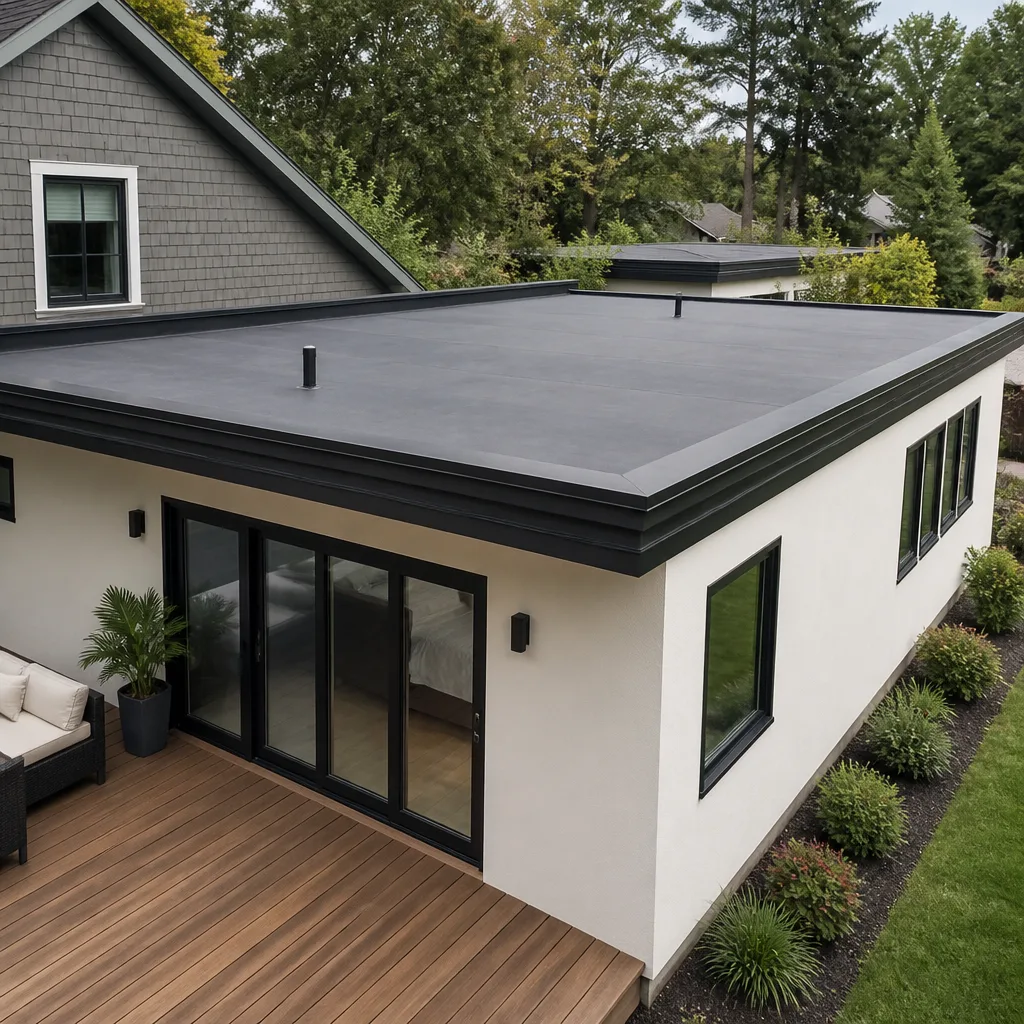 Flat & low-slope
Free roof inspection with deck photos before we talk money - GAF and Owens Corning certified installation
Fast, Reliable Roof Repair Across Hacienda Heights
Roof repair in Hacienda Heights usually runs between $450 and $2,800 depending on what failed, and most jobs are finished the same day we start. If you’re looking at a ceiling stain in the Turnbull Canyon area or a tile that slid after the last Santa Ana blow, call (833) 589-7850. We’ll tell you what your roof actually needs – repair, replacement, or nothing yet.
Hacienda Heights isn’t like the flatlands of La Puente or West Puente Valley. These are hillside homes built into the Puente Hills corridor, mostly from the 1960s through the 1980s, and a lot of them sit on slopes steep enough that a roof walk requires staging and rope. That changes how repairs get quoted and how they get done. Bedrock Roof Repair works here regularly. We know the streets off Hacienda Boulevard and Colima Road, we know what the wind does to dormers and valleys along Skyline Drive, and we know how LA County permitting affects your timeline. When you call, you get a straight answer from someone who has stood on these roofs, not a dispatcher reading a script.
Call us at (833) 589-7850 for a free estimate. Same team from inspection to final nail – no handoffs, no surprises.
Why Bedrock Roof Repair Is Hacienda Heights’s Preferred Roof Repair Company
Our Roof Repair team has spent years working the hillside tract and custom homes that define Hacienda Heights. We understand that most roofs here are tile or lightweight concrete sitting on framing that was engineered for a different era. That’s not a generic observation – it drives every decision we make about fasteners, underlayment, and flashing.
Alan Cofield leads every project. He built this company around a repair-first philosophy that’s written into the name: Bedrock Roof Repair. That means a targeted fix is a fully legitimate outcome, not a consolation prize before an upsell. When a homeowner on Punta Del Este Drive has one cracked tile and a small section of dead felt paper, we fix exactly that. We don’t manufacture a replacement pitch.
Homeowners in Hacienda Heights consistently tell us the same thing: they’re tired of contractors who glance at a tile roof and recommend tearing it off. We work with seven leading material brands – GAF, CertainTeed, Owens Corning, IKO, Atlas, Tamko, and Boral – so a recommendation follows the job, not a supplier relationship. If your existing tile is Boral, we can source Boral. If you need CertainTeed underlayment rated for wildfire zones, we install CertainTeed. That flexibility matters up here.
We’re known in this community for showing up with the right parts, not a sales binder. That reputation didn’t come from marketing. It came from solving leaks that other contractors couldn’t find.
Styles & brands we work with
Storm Damage Roof Repair in Hacienda Heights
Storm Damage Roof Repair in Hacienda Heights typically means tackling tile slippage, lifted flashing, and torn underlayment after the Santa Ana winds funnel through the Puente Hills corridor. Repairing one or two slipped tiles with new fasteners and a small underlayment patch usually runs $450 to $900. Replacing a section of failed valley flashing starts around $800 and can climb to $1,800 if the decking underneath has rotted.
The damage pattern here is predictable. Wind hits the slope that faces north toward the canyon mouth, and it works on the roof in gusts rather than a steady push. Tiles lift, the old dried-out tar paper underneath gets exposed, and the next rain goes straight to the ceiling. If a leak appears during wind-driven rain but not a calm drizzle, that points to flashing failure at dormers and valleys, not a tile problem. Fifteen minutes on the roof with a moisture meter tells us more than a week of guessing from the ground.
What to Watch For After a Wind Event
A tile that’s shifted more than half an inch is no longer shedding water the way it was designed to. The same goes for exposed nail heads on flashing along dormer walls. If you can see daylight under a ridge cap, don’t wait for the next storm. A roof inspection after a Santa Ana event costs far less than a ceiling repair after the rain arrives. Call (833) 589-7850 and we’ll take a look.
Underlayment Damage Hidden Beneath the Tile
Here’s the part most people miss: several tile roofs in Hacienda Heights still have their original 1970s tar-paper underlayment. It’s brittle, torn, and functionally gone even when every tile looks fine from the street. A post-Santa Ana leak inspection that only checks the visible surface will miss it entirely. We lift tiles, test the paper with water, and show you what we find before we write an estimate.
Metal Roof Repair in Hacienda Heights
Metal Roof Repair in Hacienda Heights is less common than tile work, but the homes that have it tend to be concentrated along the custom builds near Turnbull Canyon and higher up on the ridgeline. Common fixes include seam separation, corroded fasteners at the eave line, and failed sealant around vent collars. Depending on scope, repairs generally run $500 to $1,400 for seam resealing and fastener replacement, or $1,200 to $2,800 when pan sections need to be cut out and replaced.
Metal roofs hold up well to wind and fire, which is why they make sense in a wildland-urban interface like the Puente Hills. But they have their own failure mode: differential expansion. Hacienda Heights gets hot inland summers followed by cooler nights, and that thermal cycle works on seams and fasteners over years. A small gap at an overlapping seam isn’t cosmetic. It becomes an entry point for wind-driven rain.
Seam and Fastener Work
When a standing-seam panel separates at the lap, water runs sideways into the roof system instead of down. We clean the seam, re-secure it with compatible fasteners, and reseal it with a product matched to the existing coating. Mismatched sealant is a common problem we find; the wrong silicone won’t bond to an older Kynar finish, and the leak comes back in two seasons.
Flashing and Penetrations
Most metal roof leaks in this area trace back to a boot or collar around a pipe or vent, not the metal panels themselves. The rubber collar cracks after ten-plus years of high heat and UV exposure. We replace the boot, check the surrounding seam, and water-test the repair before we call it done. If we see a pattern of fastener failure across a larger section, we’ll tell you – and give you a price for repair and replacement side by side.
Trusted Brands We Service in Hacienda Heights
Bedrock Roof Repair installs and repairs products from GAF, CertainTeed, Owens Corning, IKO, Atlas, Tamko, and Boral. That’s seven leading manufacturers, which means we can match what’s already on your roof instead of convincing you to switch. For Hacienda Heights homeowners, we keep a local stock of the most-requested tile profiles, flashing materials, and high-temperature underlayment. If a Boral tile cracked on a home off Colima Road, we can usually have the matching piece on-site within days. If it’s a long-lead custom item, we’ll tell you that up front rather than let you find out after demolition has started. Solid work built to outlast the next storm season.
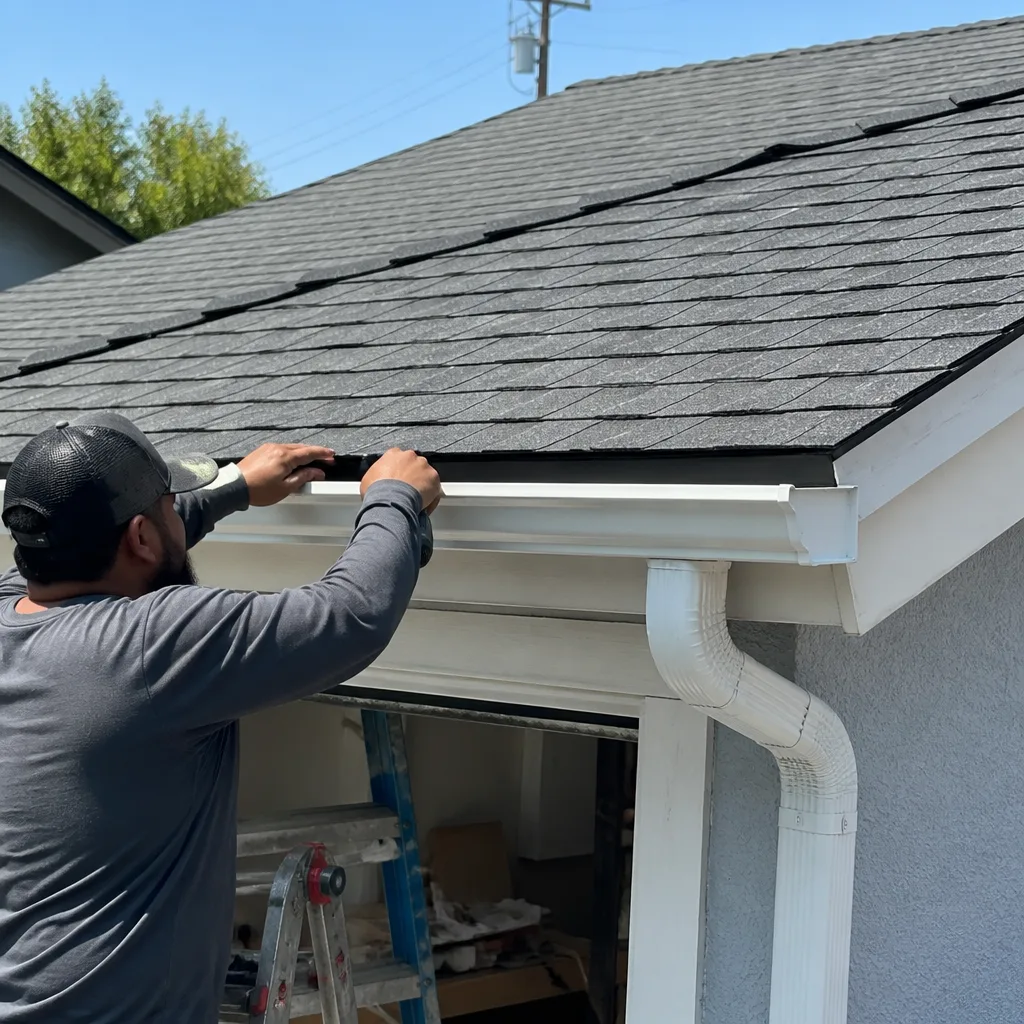
See the difference
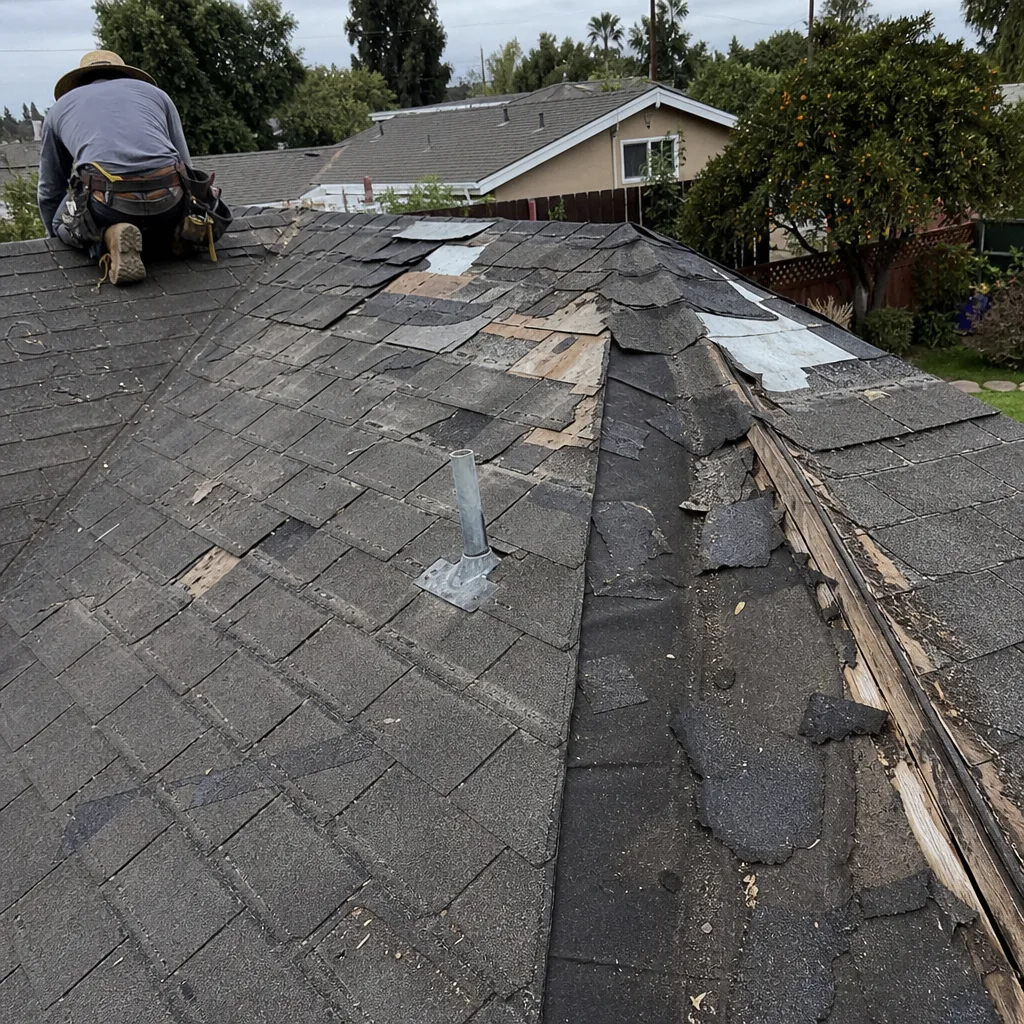 Before
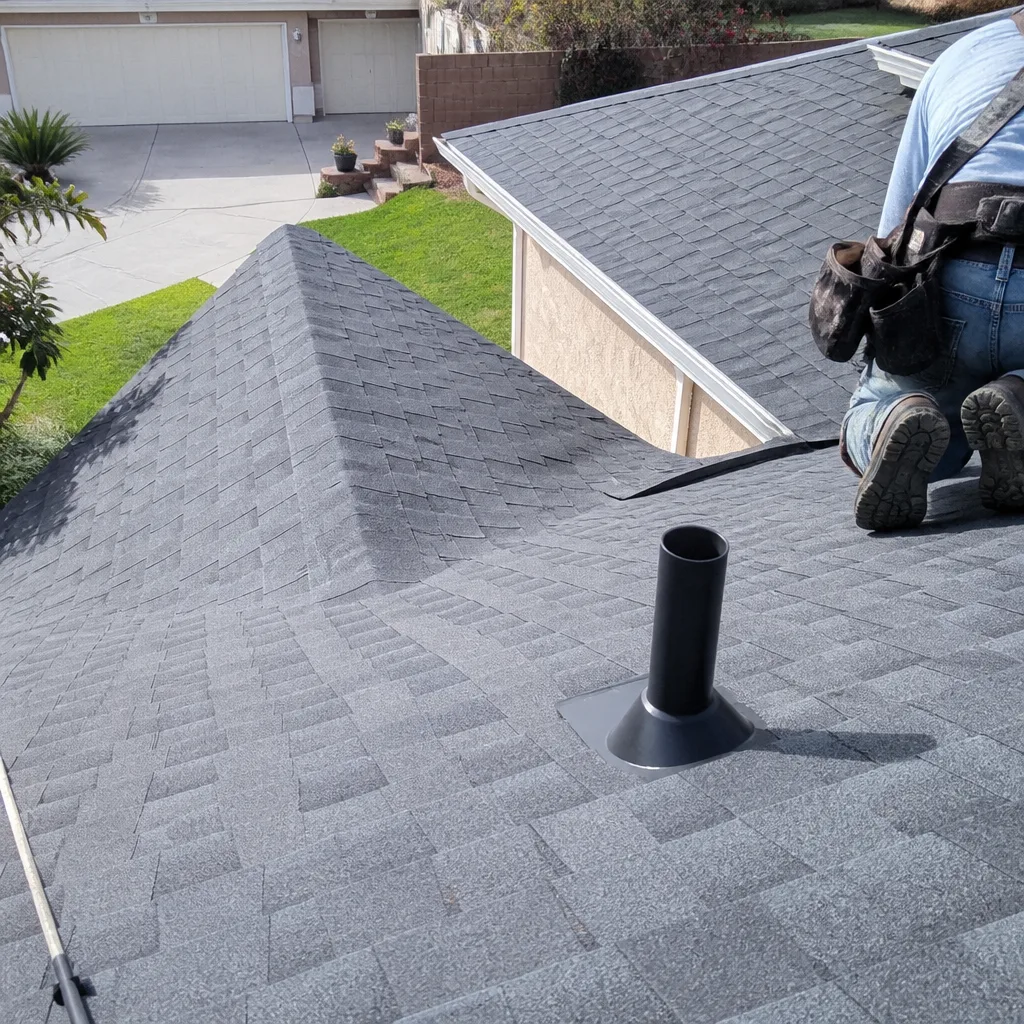 After
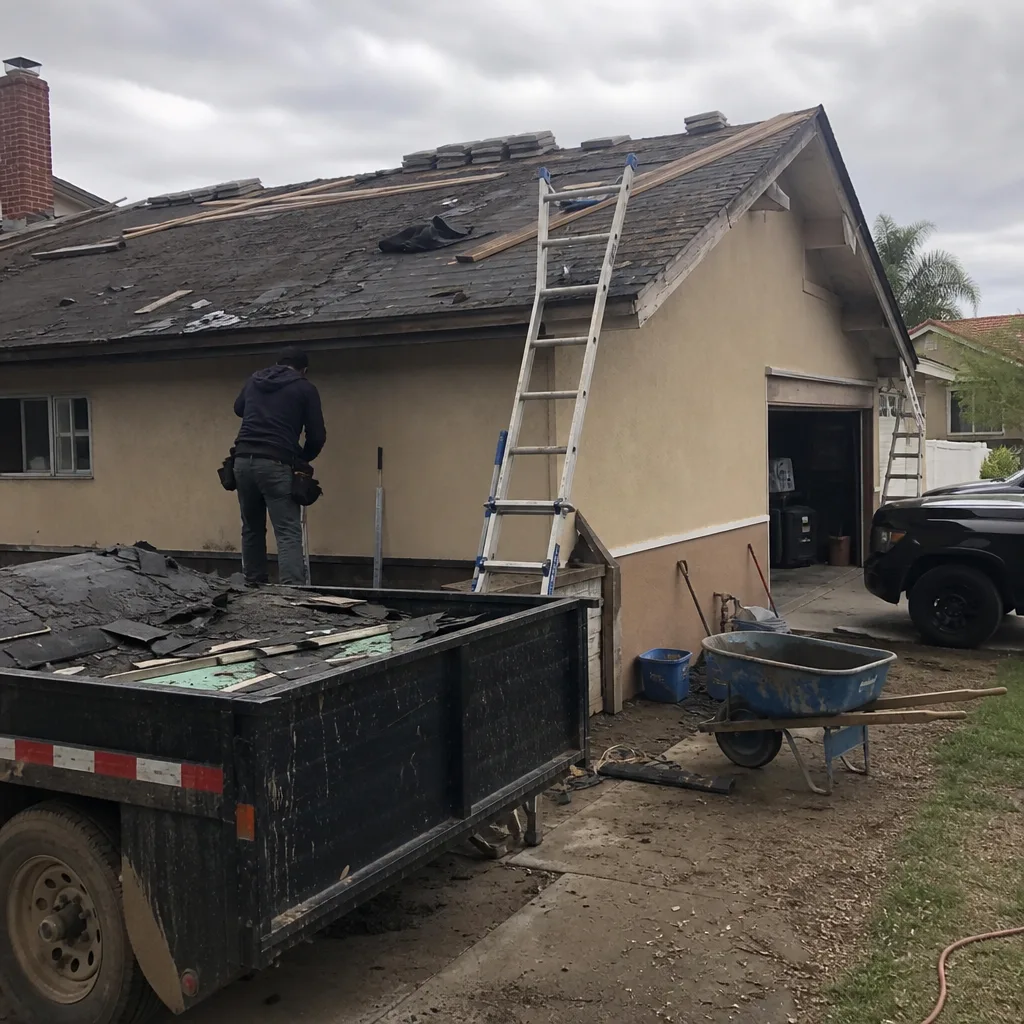 Before
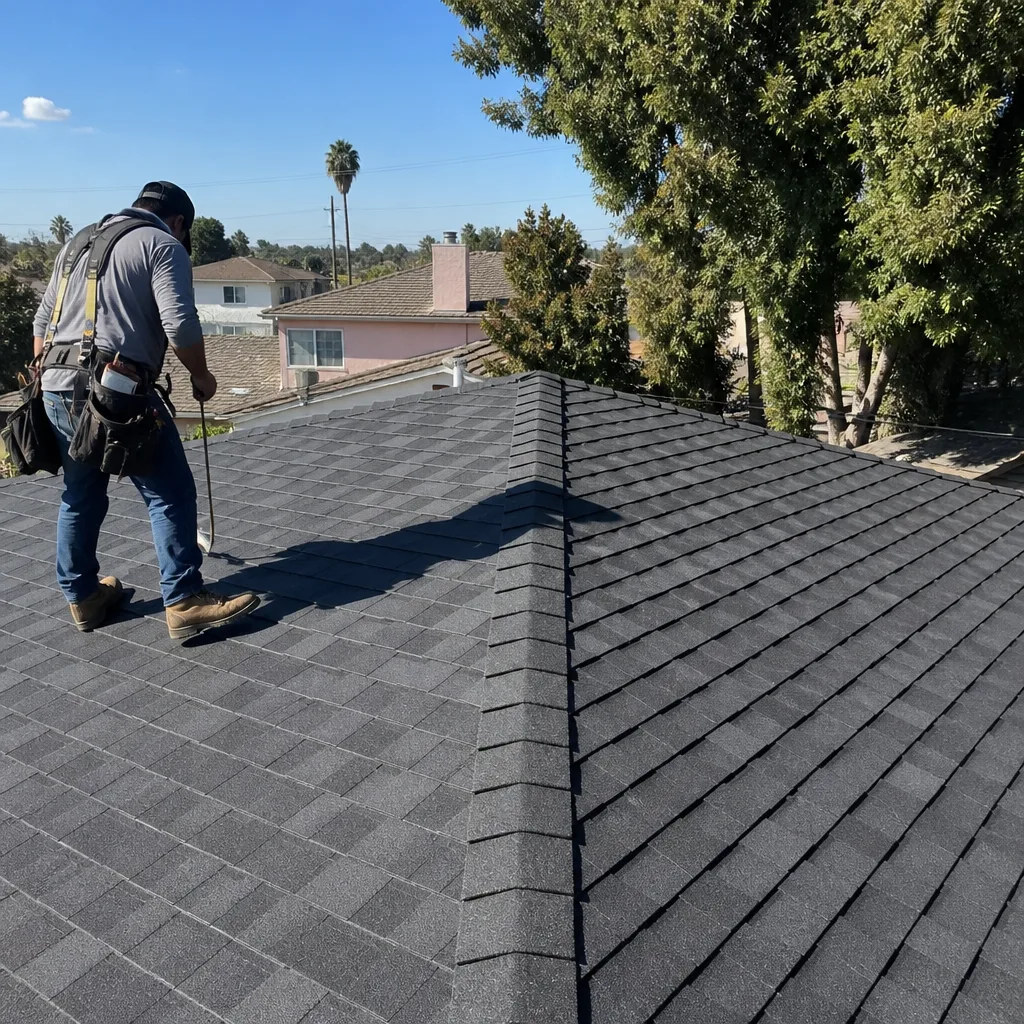 After
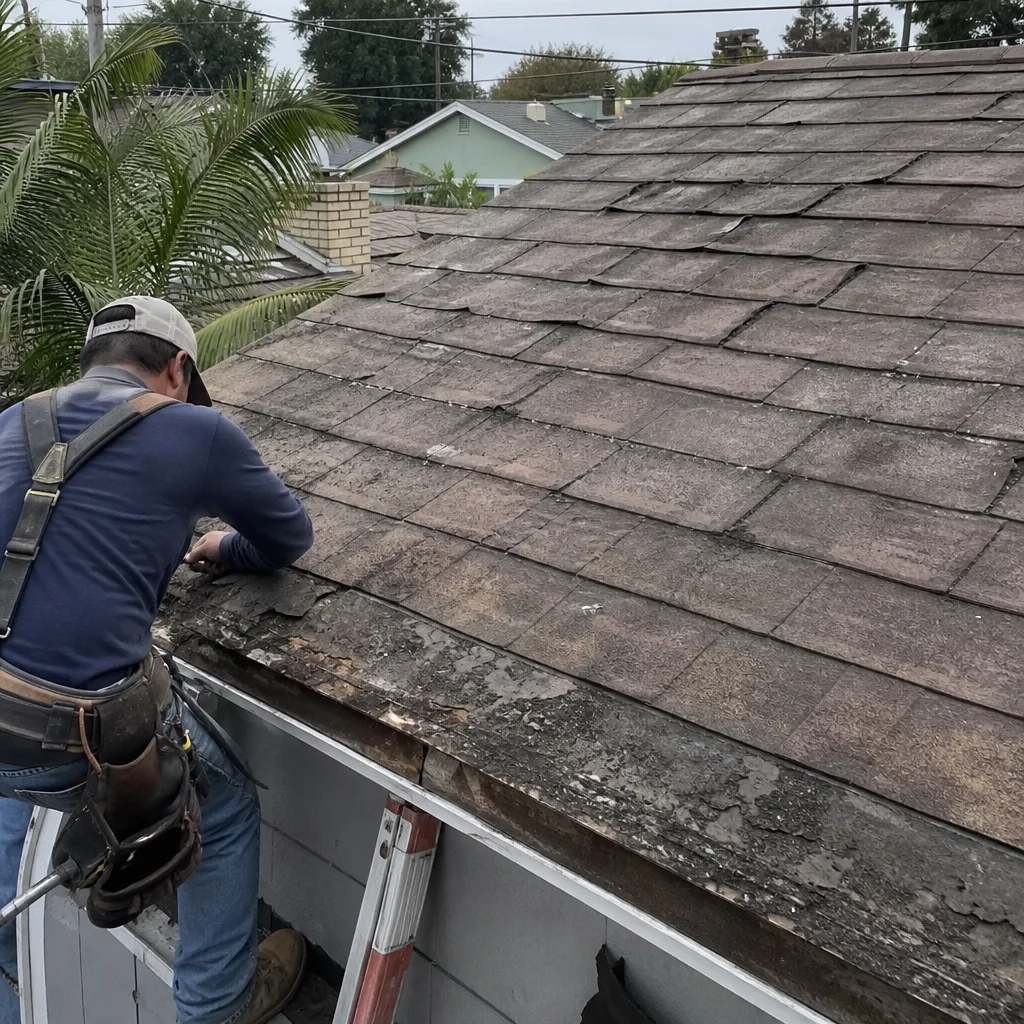 Before
 After
Common Roof Repair Problems We See in Hacienda Heights Homes
- Dead underlayment under intact tile. The 1970s tar paper that many original Hacienda Heights roofs were built with is now past serviceable life. Tile looks fine from the street; the paper underneath crumbles when touched. The first real winter storm finds it.
- Valley and dormer flashing failure during Santa Ana winds. Wind-driven rain hits these intersections sideways, not top-down. Standard step flashing that worked for decades can fail in a single strong event, especially if a prior repair used undersized pieces.
- Tile slippage on steep hillside slopes. The original fastening systems on 1960s-80s hillside homes were often nails into battens, not modern clips. Those nails corrode and lose grip. We see single tiles and entire sections slide during gust events.
- Ember intrusion at soffit and fascia vents. Homes along the wildland-urban interface up against the Puente Hills need more than a leak fix. Standard vents let embers into the attic space in a wind-driven fire. Fire-hardening repairs close that gap. We inspect venting on every repair we do up here.
Pricing for Roof Repair in Hacienda Heights, CA
Shingle replacement in Hacienda Heights typically runs $500 to $1,200 for a small area, while leak repair at a single penetration usually comes in between $350 and $700. Flashing repair ranges from $450 to $1,400 depending on length and whether the decking underneath has rotted. Flat roof patches on low-slope sections of mid-century homes run $600 to $1,600. Vent boot replacement is the cheapest common fix at $300 to $500. Valley repair is the expensive one: $900 to $2,800 because it involves removing tile on both sides of the valley, replacing the metal and underlayment, and reinstalling all of it correctly. We give written line-item estimates before work starts, so you know exactly what each piece costs. No change orders slipped in mid-job. Call (833) 589-7850 and we’ll walk your roof with you and point at what we’re talking about. Repair when possible. Replace when necessary. Inspect before either.
We Also Serve Cities Near Hacienda Heights
Beyond Hacienda Heights, the Bedrock Roof Repair team works regularly in La Puente, Valinda, Avocado Heights, and West Puente Valley. Each of those communities has its own mix of housing era and roof type, and the same repair-first approach applies. If you’re a few blocks over the line, you’ll get the same pricing structure and the same crew.
Serving Hacienda Heights, CA — Our Local Coverage Area
We’re based in the Hacienda Heights area and know this community well. Use the map below to see our service coverage — if you’re nearby, we can almost certainly help.
FAQs About Roof Repair in Hacienda Heights
No. In most cases, a leak after wind-driven rain points to flashing failure at a dormer or valley, or to a section of dead underlayment that has finally given out. We need to inspect the roof to confirm. Many Hacienda Heights homes have intact tile sitting on 1970s tar paper that has completely failed. That’s a repair problem, not a replacement problem – the tile can be lifted, the bad paper torn out, new synthetic underlayment installed, and the same tile reset. Replacement only becomes necessary if the tile itself is shattered or the decking underneath is rotted across a large area. Call (833) 589-7850 and we’ll show you what’s actually happening up there before spending any serious money.
LA County Public Works and Building & Safety handle permits for unincorporated Hacienda Heights, which adds review time compared to a city-run building department like Whittier’s. Minor repairs like flashing, vent boots, or a few replacement tiles typically don’t require a permit at all under current code. But if the repair extends to decking replacement, large sections of underlayment, or any structural element, you’re looking at county plan review, which can add one to three weeks before work begins. We handle the permit application, meet the inspector on-site, and schedule the work so you’re not waiting longer than necessary. A realistic timeline is better than a fast one that stalls at the county counter.
Depending on the product, expect anywhere from three days to six weeks. Common items like Owens Corning underlayment, CertainTeed shingles, and standard flashing stock are available locally within three to seven business days. Custom-fabricated pieces – copper flashing cut to a dormer profile, matching Boral or Atlas tile from a specific production run, architectural vent systems – can take four to six weeks. Since many Hacienda Heights homes have complex rooflines with multiple valleys and dormers, custom flashing is often the long pole in a repair schedule. We order materials before we open the roof, not after. That sequencing is why our project timelines hold.
Yes, we repair metal roofs. The most common issues we see in Hacienda Heights are separated standing seams, corroded fasteners near the eave line, and failed sealant around pipe boots and vent collars. The inland heat here – summer temperatures routinely pass 90 degrees – combined with cool nights, causes metal panels to expand and contract. Over a decade or two, that cycle works seams loose and cracks older sealant. These are repair jobs, and they typically run $500 to $2,800 depending on scope. If you have a metal roof and notice a leak, call (833) 589-7850 for a free estimate. We’ll identify exactly what failed before quoting anything.
Fire hardening means addressing the path embers take into a home, not just what the outer surface looks like. In Hacienda Heights, roofs near the wildland-urban interface need ember-resistant venting, closed gaps at fascia and soffit intersections, and underlayment rated for wildfire exposure. During a repair, we inspect the full vent system – many homes here still have open louvered soffit vents that let wind-driven embers into the attic long before flames reach the house. We recommend and install Class A underlayment and ember-resistant vent conversions where appropriate. This isn’t code-mandated on every repair, but we’ll always tell you what we see. Solid work built to outlast the next storm season – and the next fire season.
Written by Alan Cofield, Owner at Bedrock Roof Repair, serving Hacienda Heights since day one.
Call (833) 589-7850 to schedule your free estimate for roof repair in Hacienda Heights.