

Last updated October 30, 2026
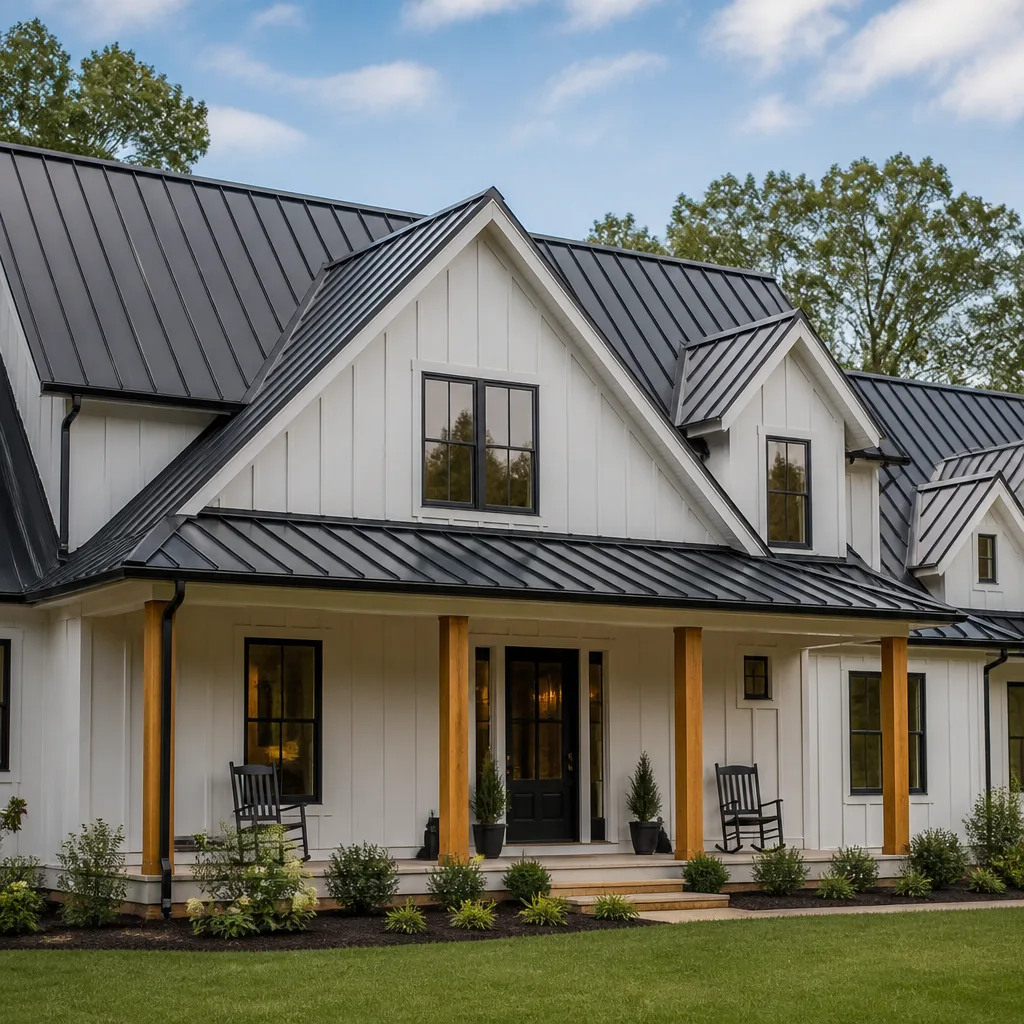 Metal roofing
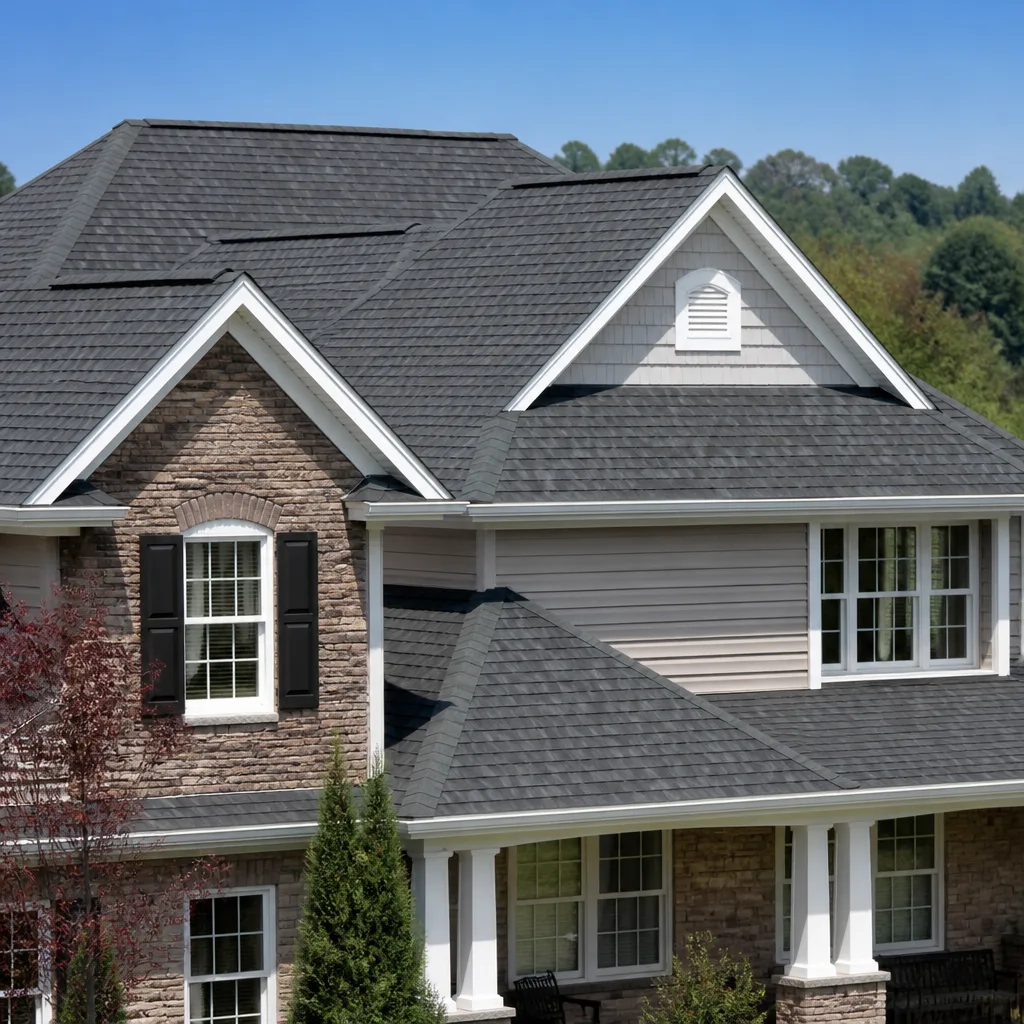 Architectural shingles
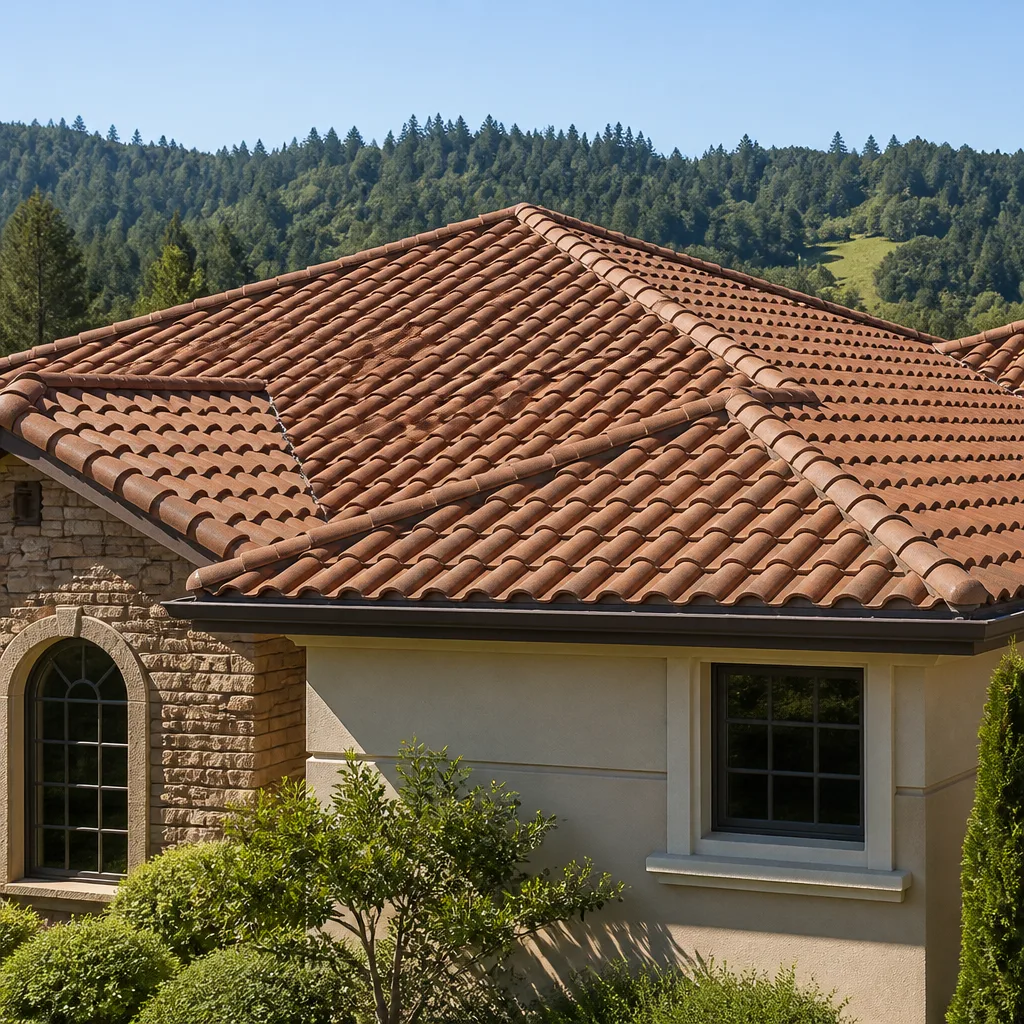 Tile roofing
 GAF
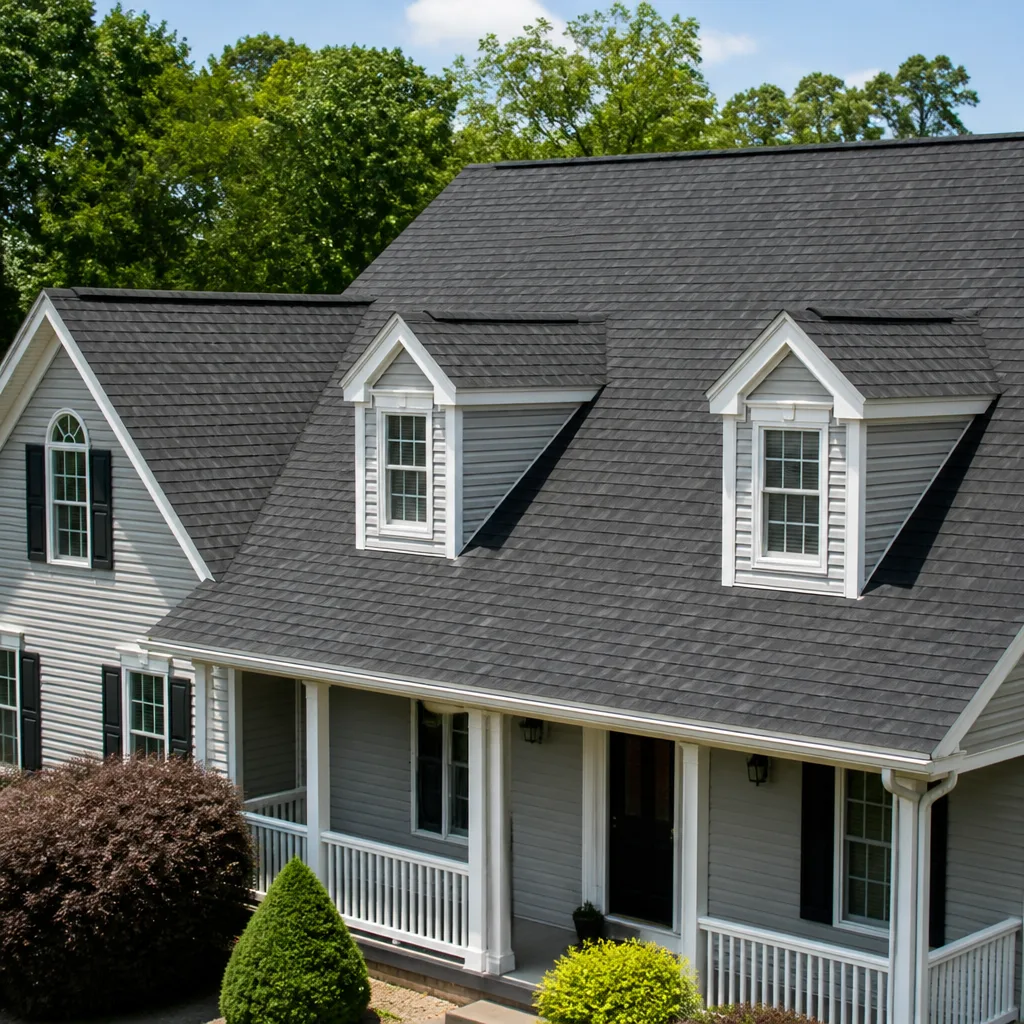 Owens Corning
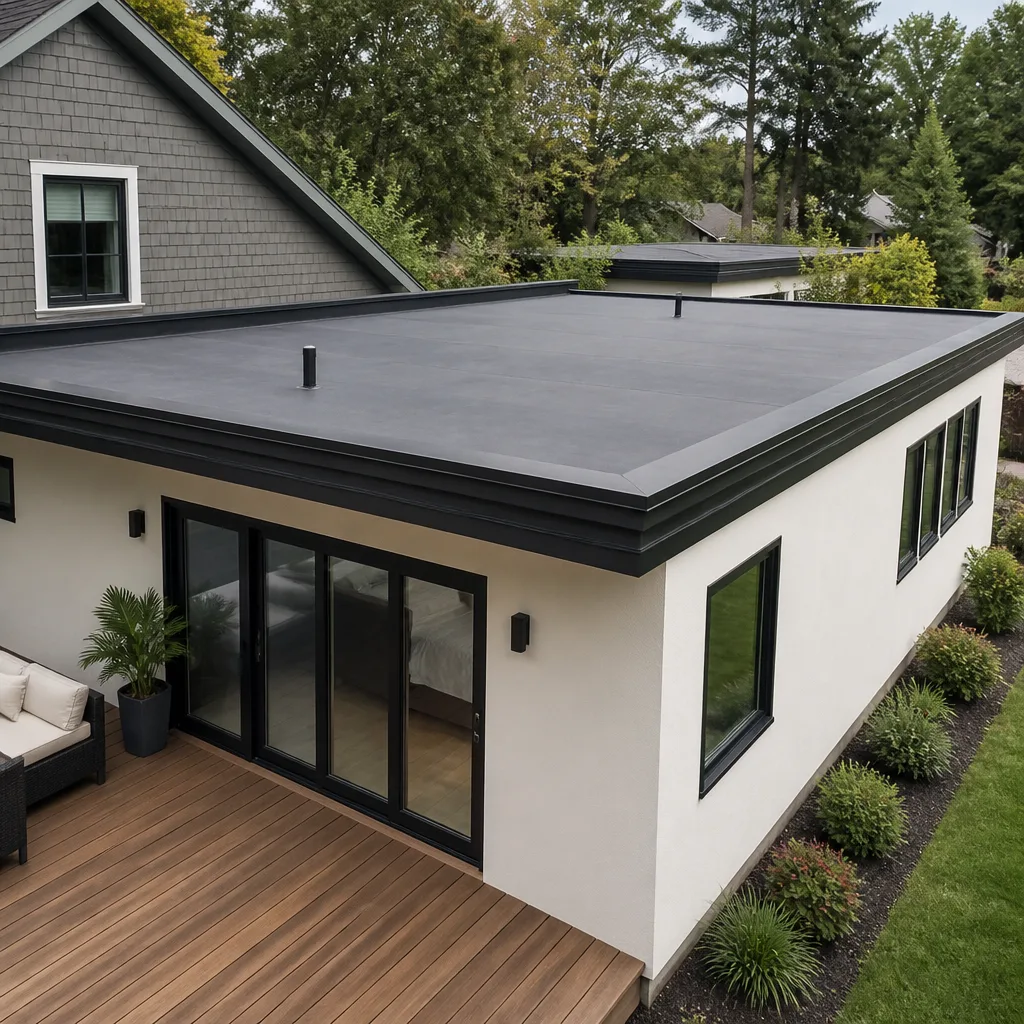 Flat & low-slope
Free roof inspection with deck photos before we talk money - GAF and Owens Corning certified installation
Roofing Cost Breakdown: The Anaheim Homeowner’s Reference for 2026
A $9,000 and a $14,000 bid for the same Anaheim reroof can both be legitimate. Or one can be a lowball that excludes decking repair, uses 15-lb felt instead of synthetic underlayment, and carries no workmanship warranty. The number on the quote tells you almost nothing without the scope behind it. This guide breaks down what a roof actually costs in Anaheim in 2026, what drives the price difference between honest bids, and how to read a roofing quote line by line so you’re comparing equivalent work instead of a marketing number. For related reading, see our Roofing Warning Signs: A Anaheim Homeowner’s Reference Guide.
Styles & brands we work with
Quick Answer
Roofing costs in Anaheim for 2026 typically run $6.50 to $9.50 per square foot for asphalt architectural shingles, $10 to $16 per square foot for concrete tile, $14 to $22 per square foot for standing seam metal, and $8 to $12 per square foot for TPO on flat sections. A typical 2,000 sq ft Anaheim home with asphalt shingles lands between $13,000 and $19,000 for a full replacement. The gap between a low and high bid almost always comes down to three line items: decking replacement allowance, underlayment grade, and disposal fees.
Table of Contents
- Material Costs by Roof Type in Anaheim
- The Three Hidden Line Items That Separate Honest Quotes from Lowballs
- How Anaheim’s Title 24 Cool-Roof Rules Affect Your Budget
- Repair Now or Replace Later: The Breakeven Math
- Why Anaheim Contractors Quote Different Prices for the Same Roof
- How to Read a Roofing Quote Line by Line
- Permits, Inspections, and Anaheim Code Requirements
- Common Mistakes to Avoid
- When to Call a Professional
- Frequently Asked Questions
- The Bottom Line
Material Costs by Roof Type in Anaheim
Roofing in Anaheim splits into two worlds: sloped roofs, which dominate the single-family neighborhoods from the Colony to Anaheim Hills, and flat or low-slope sections, which appear on mid-century homes, additions, and patio covers. Each material has its own installed cost per square (a square is 100 square feet) in the current Anaheim labor market, and those numbers have moved since 2024 because material costs from manufacturers like Owens Corning and IKO ticked upward while labor stayed competitive.
Here’s what we’re seeing on the ground in Anaheim this year:
| Material | Installed Cost per Square (100 sq ft) | Typical Total for 2,000 sq ft Home | Lifespan in Anaheim Climate |
|---|---|---|---|
| Asphalt Architectural Shingles | $650 – $950 | $13,000 – $19,000 | 20 – 30 years |
| Concrete Tile | $1,000 – $1,600 | $20,000 – $32,000 | 40 – 60 years |
| Clay Tile | $1,200 – $1,800 | $24,000 – $36,000 | 50 – 100 years |
| TPO (Flat Sections) | $800 – $1,200 | $8,000 – $12,000 (per 1,000 sq ft) | 15 – 25 years |
| Standing Seam Metal | $1,400 – $2,200 | $28,000 – $44,000 | 40 – 70 years |
Asphalt architectural remains the majority of what gets installed in Anaheim because the price-to-lifespan ratio works for most budgets. Concrete tile is common in the older ranch neighborhoods and in master-planned communities where HOA rules mandate it. Standing seam metal is growing, especially in the hills where the fire-hardening conversation has made metal a more serious consideration, but the upfront cost filters out many buyers. Atlas and Tamko both offer architectural shingle lines that meet California wind and fire standards, and the installed cost differences between major manufacturers are usually under $200 total per roof, meaning material brand matters less than your installer’s labor quality for asphalt.
One Anaheim-specific factor: the city’s flat sections take real abuse from the Santa Ana winds and the UV exposure. If your home has a flat section over a patio or garage, budget for a TPO membrane replacement on that section even if your sloped roof is still sound. TPO from manufacturers installed with a reinforced seam detail holds up far better than an older torch-down or built-up roof that’s been baking in the Anaheim sun for 15 years.
The Three Hidden Line Items That Separate Honest Quotes from Lowballs
When two Anaheim roofing bids for the same house differ by $4,000 or more, the low bid is rarely saving you money. The cheap quote simply doesn’t include work the expensive one priced explicitly, and that work gets discovered mid-job as a change order. Here are the three line items that cause most of the discrepancy.
1. Decking Replacement Allowance
The plywood or OSB underneath your roofing material is called decking, and Anaheim homes from the 1960s and 70s often have water-damaged or delaminating decking at the eaves, valleys, and around plumbing vents. A careful bid includes a decking replacement allowance, typically $75 to $110 per 4×8 sheet replaced, and states a per-sheet price up front. A lowball bid assumes your decking is perfect, then the crew finds four to eight sheets of rot during tear-off and you’re hit with a change order for an extra $600 to $900. In Anaheim homes near the coast or with older flat sections, we regularly see decking damage that could have been spotted in a pre-bid inspection. The honest approach is to price the likely replacements in the original bid so the number doesn’t move after the job starts.
2. Underlayment Grade
Underlayment is the water-shedding layer between your decking and your roofing material. California building code sets a minimum, and since the 2023 code cycle, the requirement in wildfire zones and most of Anaheim is a high-temperature or synthetic underlayment that resists tearing during installation and doesn’t break down under tile weight or metal expansion. The difference between 15-lb felt and a quality synthetic underlayment is roughly $15 to $25 per square installed, or $300 to $500 on a typical Anaheim roof, and the synthetic product protects the decking far longer if the top layer ever gets compromised. A quote that says “underlayment per code” needs a follow-up: which product, what grade, and whether it meets the current Title 24 and fire-hardening requirements for your specific neighborhood. See our Roofing Permits, Codes & Inspections in CA: What You Need to Know for full details on compliance. Neighborhoods in the Anaheim Hills mapped in a high-severity fire zone may require a different underlayment spec than a home in the flatlands, and that requirement affects cost.
3. Disposal and Dump Fees
Tearing off an old Anaheim roof produces anywhere from two to six tons of waste, depending on whether the home has a single layer of shingles or multiple layers over wood shake. Anaheim’s franchise waste haulers charge by the ton for construction debris, and landfill tipping fees in Orange County have climbed every year since 2020. A legitimate bid includes a line item for tear-off, hauling, and disposal with the estimated tonnage stated. A lowball bid either omits the disposal line entirely or lowballs the tonnage, then the final invoice adds the difference. If a quote shows “disposal included” but doesn’t state tonnage or dump fees, ask for the number before you sign.
These three line items, priced honestly, account for most of the legitimate spread between a $9,000 quote and a $14,000 quote for the same Anaheim house. The rest of the spread comes from warranty terms and crew quality, which we’ll get to below in the contractor variation section.
How Anaheim’s Title 24 Cool-Roof Requirements Affect Your Budget
California’s Title 24 energy code has required cool-roof performance on most reroofing projects across Anaheim for several cycles, and the 2025 code update tightened the standards again. A cool roof meets a minimum solar reflectance and thermal emittance rating that reduces how much heat the roof absorbs, which lowers your cooling load during the long Anaheim summer. The effect on your budget cuts both ways depending on material.
For asphalt shingles, the cool-roof requirement pushes you toward shingle lines with reflective granules, which manufacturers like Owens Corning and IKO produce in a range of colors. These shingles cost about $5 to $15 more per square installed than a standard architectural product, adding roughly $100 to $300 to a typical replacement. The color that meets the reflectivity standard in Anaheim’s climate zone is usually a lighter gray, tan, or white-toned blend. Dark charcoal shingles often fail the reflectance test without a special reflective granule formulation, and you’ll be steered toward a product that meets the spec.
For tile roofs, most concrete and clay tile colors perform well on thermal emittance, and the Title 24 impact is minimal if you pick a lighter or natural-toned tile. But if you’re set on a dark brown or black tile, you may need a tile with a cool-roof coating, which adds cost. For standing seam metal, the situation is reversed: metal roofing naturally reflects solar heat, and many metal panels exceed the Title 24 threshold without any premium. The cool-roof rule can actually make metal more competitive than it appears at first glance because the asphalt upgrade and the metal base price converge slightly.
The practical takeaway: when you’re comparing material options in Anaheim, ask your contractor to confirm that the material you’ve chosen, in the color you’ve chosen, meets the Title 24 cool-roof requirement for your climate zone. Every legitimate bid from a contractor pulling Anaheim permits will include that check. A bid that ignores it is either uninformed or planning to substitute materials after the contract is signed.
Repair Now or Replace Later: The Breakeven Math
The question every Anaheim homeowner eventually faces is whether to repair the roof or replace it. The honest answer depends on three numbers: the roof’s current age, the extent of visible damage, and the cost of repair versus the remaining life you’re buying. Here’s how the math works.
A targeted Roof Repair in Anaheim typically runs $400 to $1,800 for common problems like a damaged flashing detail, a small section of torn shingles, a cracked tile replacement, or a vent boot replacement. If your roof is under 12 years old and the damage is localized, repair almost always wins: you’re spending a few hundred to a couple thousand dollars to keep a roof that has 15 or more years of life left, and the repair cost amortizes to under $50 per year of remaining service.
The math flips as the roof ages. Here’s the breakeven framework we use:
- Determine remaining life without repair. A 20-year-old asphalt roof in Anaheim with granular loss and curling shingles may have 2 to 4 years left before leaks become frequent. A 25-year-old concrete tile roof with intact underlayment may have 15 to 20 years left because the tile itself rarely fails, it’s the underlayment that gives out.
- Determine remaining life with repair. If a $1,200 repair buys you 8 more years, that’s $150 per year. If it buys you 2 more years, that’s $600 per year.
- Compare to replacement cost amortized over its lifespan. A $16,000 asphalt replacement with a 25-year expected life costs $640 per year. If your repair buys fewer than 3 years on an aging roof, replacement now is cheaper per year of service than a repair-and-delay strategy.
- Factor in the cost of deferred replacement. Reroofing Anaheim prices have risen 4 to 7 percent per year since 2021, consistent with material and labor inflation. Delaying replacement by three years on a $16,000 roof adds roughly $1,900 to $2,900 to the eventual bill, which erases most of the savings from a stopgap repair.
The repair-first sequence is exactly what our company name commits to. If you call us for a Roof Inspection in Anaheim, we tell you what the roof actually needs: a $600 repair, a $16,000 replacement, or nothing at all right now. The inspection is the only honest way to get the age, condition, and remaining-life data that makes the repair-or-replace math work instead of guesswork.
Why Anaheim Contractors Quote Different Prices for the Same Roof
Beyond the hidden line items we covered above, several structural factors push one Anaheim roofing bid higher than another for work that looks identical on paper. Understanding these helps you evaluate whether a higher price is buying you something real.
Crew labor rates. Anaheim’s roofing labor market ranges from crews paid by the job at the low end to crews paid hourly with proper workers’ compensation insurance at the high end. A roofing company paying for licensed, documented, insured labor has a labor cost per square that runs 20 to 40 percent higher than a low-bid competitor using day labor or underinsured subs. The quality difference shows up in flashing details, valley construction, and whether the roof still looks right five years later.
Insurance and overhead. Roofing carries real physical risk, and a legitimate Anaheim contractor carries general liability, workers’ compensation, and an umbrella policy. Those premiums are significant, and they’re baked into every bid. A contractor who can quote a fraction lower than a licensed competitor is often cutting corners on the insurance that protects you if a worker gets hurt on your property.
Warranty terms. A bid with a 2-year workmanship warranty is priced differently than a bid with a 10-year workmanship warranty, because the contractor offering the longer term is pricing in the cost of returning to fix defects. Warranty length is a real cost driver, and it’s worth asking about explicitly. The material warranty from manufacturers like Atlas or Tamko covers product defects for 25 to 50 years depending on the line, but the workmanship warranty is what determines whether installation errors get fixed on the contractor’s dime.
Supplier relationships and material access. A contractor who works with all seven major roofing brands, including GAF, CertainTeed, Owens Corning, IKO, Atlas, Tamko, and Boral, can price each material option based on current availability and the homeowner’s actual needs rather than pushing whatever product they get the best margin on. A contractor locked into one manufacturer’s line has an incentive to recommend that product even when it’s not the best fit for a specific Anaheim roof. The brand-agnostic approach matters most on the margins: certain homes do better with one shingle line’s wind rating, another with a tile that matches the HOA’s spec, and the recommendation should follow the roof, not the supplier.
How to Read a Roofing Quote Line by Line
A legitimate Anaheim roofing quote looks like a scope of work, not a single number on a letterhead. Here’s how to read one:
- Find the tear-off line. It should state the number of existing layers being removed (one shingle layer, multiple layers, or wood shake), the method, and the estimated tonnage. If there’s no tonnage, there’s no real disposal estimate.
- Find the decking line. It should state the existing decking condition if known, the per-sheet replacement price, and how many sheets are included in the base bid. If the line says “replace as needed” without a per-sheet dollar figure, the quote is incomplete.
- Find the underlayment spec. It should name a product type, not just “code minimum.” The product name lets you verify it meets the current California code for your Anaheim fire zone and climate zone.
- Find the material line. It should state the manufacturer, the specific product line, the color, and the quantity in squares. If it just says “architectural shingles,” you don’t know what you’re buying.
- Find the flashing line. It should cover all penetrations: plumbing vents, furnace vents, skylights, chimneys, and step flashing at walls. Flashing failures are the most common source of roof leaks in Anaheim, and a quote that lumps “flashing” without enumerating the penetrations is guessing.
- Find the permit line. It should state the Anaheim permit fee, the inspection fee, and whether the contractor manages the permit process. If there’s no permit line, the quote assumes no permit, which is a code violation in Anaheim.
- Find the warranty section. It should state the material warranty (from the manufacturer) and the workmanship warranty (from the contractor), with the duration of each.
If a quote is missing two or more of these elements, it’s not a real scope of work, it’s a price with assumptions attached. Assumptions become change orders when the project starts, and that’s where the “cheap” bid becomes the expensive one.
Permits, Inspections, and Anaheim Code Requirements
Anaheim requires a permit for roof replacement and for substantial repairs that alter more than a set threshold of the roof area, so review our Roofing Emergency Preparedness Guide for Anaheim Homes before storms hit. The city’s permit fee for reroofing runs in the range of $200 to $500 depending on the project value and the number of inspections required, and the fee is passed through to the homeowner as a separate line item. The inspection process typically includes a mid-project inspection of the underlayment and flashing, then a final inspection after the roofing material is installed.
The permit and inspection process serves you, the homeowner. The mid-project inspection verifies that the underlayment was installed to the current California code, the flashing details meet the standard, and the nail pattern is correct before the material covers everything up. A contractor who offers to do the job “without permits to save you money” is asking you to accept work that no official ever verified, and the unpermitted work becomes a disclosure issue when you sell the Anaheim home later. Buyers and their inspectors check permits, and unpermitted roofing work gets flagged in nearly every Anaheim real estate transaction.
Anaheim neighborhoods with HOA oversight add another layer: the HOA may require architectural review of your material and color choice before the permit gets issued. If you live in a planned community in Anaheim Hills or another HOA-governed area, pull the HOA’s roofing guidelines before you select materials, because the HOA’s approved color palette may narrow your choices.
Common Mistakes to Avoid
- Comparing quotes without normalizing the scope. A $10,000 quote with no decking allowance and a $13,000 quote with a full decking allowance are not both $10,000 and $13,000 worth of same-scope work. Put the quotes side by side, line item by line item, before you compare bottom lines.
- Choosing a roof color without checking Title 24 compliance. Picking a dark shingle or tile that fails the cool-roof reflectance standard in Anaheim’s climate zone means a mid-project substitution or a non-compliant roof. Confirm the color meets the standard before you commit.
- Skipping the mid-project inspection. The underlayment inspection is the single most important quality checkpoint on an Anaheim reroof. If your contractor tries to close up the roof before the inspector arrives, stop them.
- Ignoring the flat sections. Many Anaheim homes have flat patio covers, garage sections, or additions that need a different material and a different maintenance approach than the sloped roof. A quote that only prices the sloped sections leaves you with a leak in the flat section two seasons later.
- Deferring a reroof to save money without doing the math. As covered above, delaying a replacement by a few years often costs more in inflation than the repair savings generate, especially on asphalt roofs past the 20-year mark.
- Accepting a warranty claim promise without a written workmanship warranty. “We’ll take care of you if anything goes wrong” is not a warranty. Get the duration in writing, along with what’s covered.
- Hiring a contractor who doesn’t pull Anaheim permits. Unpermitted work follows the home. It’s a disclosure liability, an insurance issue, and a red flag for any future buyer.
When to Call a Professional
Roofing involves height, slope, and materials that can cause serious injury. A roof inspection or repair is not a DIY project, and even the most capable Anaheim homeowner should think twice before climbing a ladder to patch a leak. The specific cases where a professional is mandatory: you see a stain on the ceiling that recurs after rain, you find granules in your gutters on a roof older than 15 years, you see missing or cracked tiles after a Santa Ana wind event, you notice daylight through the attic sheathing, or you’re planning to sell and want the roof’s condition documented before listing.
If any of those situations sounds like your house, Bedrock Roof Repair offers free estimates in Anaheim. Call (833) 589-7850 and we’ll inspect the roof, tell you what it actually needs, and give you a written scope of work you can compare line by line against any other quote.
Frequently Asked Questions
A new roof in Anaheim in 2026 typically costs $13,000 to $19,000 for asphalt architectural shingles on a 2,000 sq ft home, $20,000 to $32,000 for concrete tile, and $28,000 to $44,000 for standing seam metal, including materials, labor, permits, and disposal.
Asphalt architectural shingles are the least expensive installed roofing material in Anaheim, but “cheapest” is the wrong lens: an asphalt roof costs less per year of expected service than a poorly installed tile or metal roof, but a quality asphalt installation from a contractor who prices decking, underlayment, and disposal correctly is the best value for most budgets.
It shouldn’t, if the quote included a real decking allowance, a stated underlayment product, and a disposal estimate with tonnage. Price changes mid-job typically come from one of three discoveries: rotted decking that wasn’t priced, extra layers of old roofing that weren’t expected, or a structural issue that only becomes visible after tear-off. A quality contractor discusses these possibilities during the bidding process, not after the crew is on the roof.
Yes, Anaheim requires permits for reroofing, and a legitimate contractor handles the permit application, schedules the inspections, and passes the city fee through as a line item. A contractor who suggests skipping the permit is not doing you a favor.
Most Anaheim asphalt reroofs take two to four working days from tear-off to final inspection, a tile roof takes five to ten days, and standing seam metal can run one to two weeks depending on complexity and panel fabrication lead time. Weather can add days, but Anaheim’s dry climate keeps most delays short.
If the roof is under 12 years old and the damage is localized, a targeted repair is usually the right call and costs $400 to $1,800 for common issues. On roofs past 20 years with widespread granular loss, curling shingles, or failing underlayment, the repair cost per additional year of service approaches or exceeds the per-year cost of replacement, and replacement becomes the better financial decision even though it costs more up front.
The Bottom Line
The difference between a good roof and a good story about a roof is the scope behind the number. Anaheim homeowners in 2026 should expect to pay $13,000 to $19,000 for a quality asphalt replacement, more for tile or metal, and they should demand that the quote shows where the money goes: decking, underlayment, disposal, flashing, permits, and a workmanship warranty with a real duration. A contractor who can’t or won’t show those line items is asking you to trust a number, and a number isn’t a scope. Get three quotes, normalize them line by line, and choose the one that tells you the truth about what your Anaheim roof actually needs. Whether that’s a Roof Replacement in Anaheim, a targeted repair, or nothing yet, the right answer starts with an honest inspection.
Call (833) 589-7850 for a free estimate and get a written scope of work you can compare with confidence.
Written by the team at Bedrock Roof Repair, serving Anaheim since 2018.
See the difference
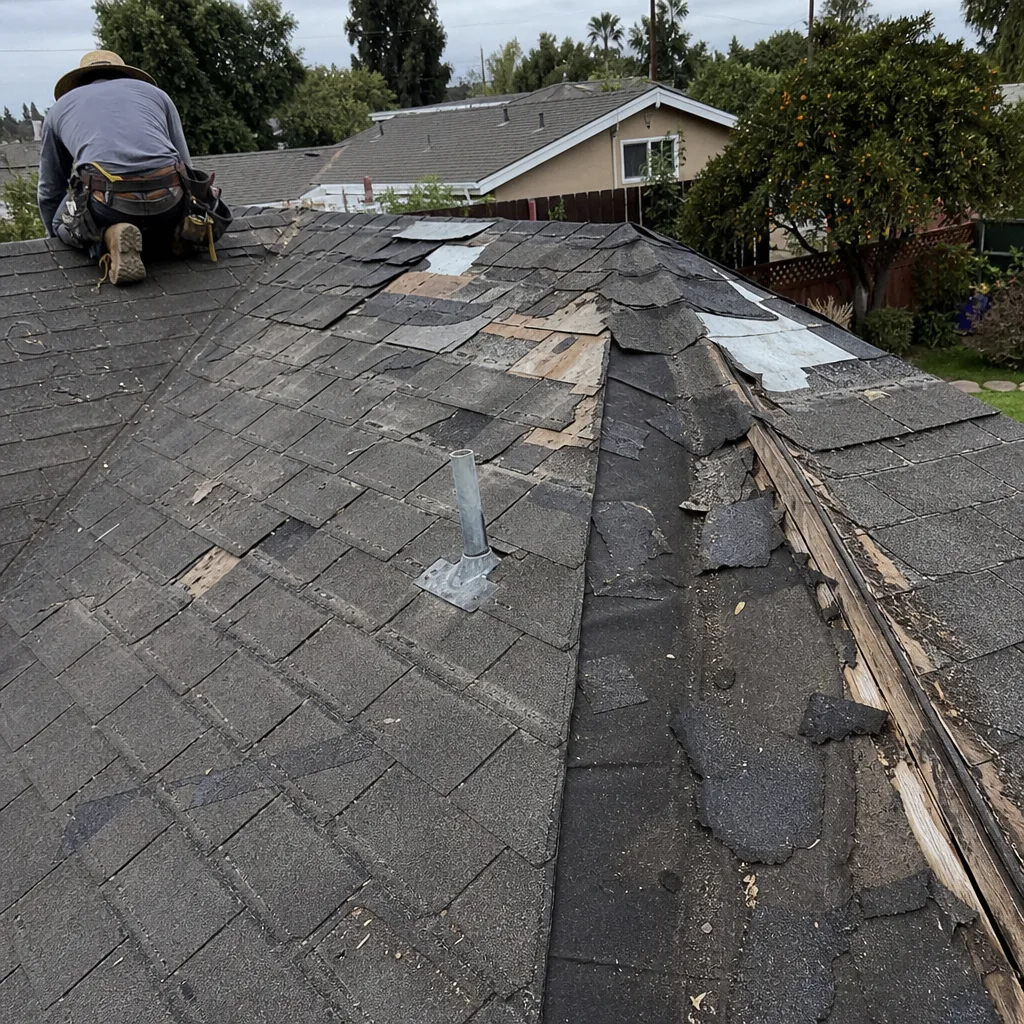 Before
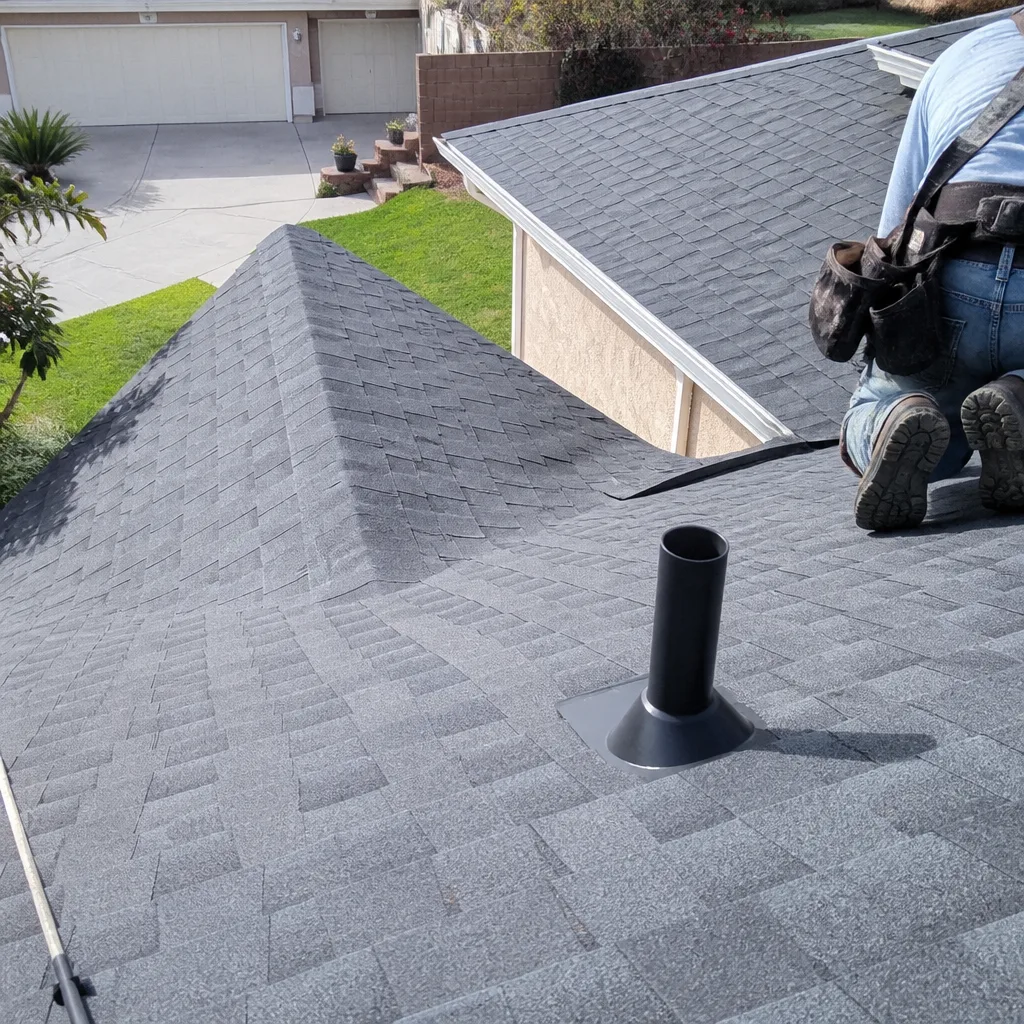 After
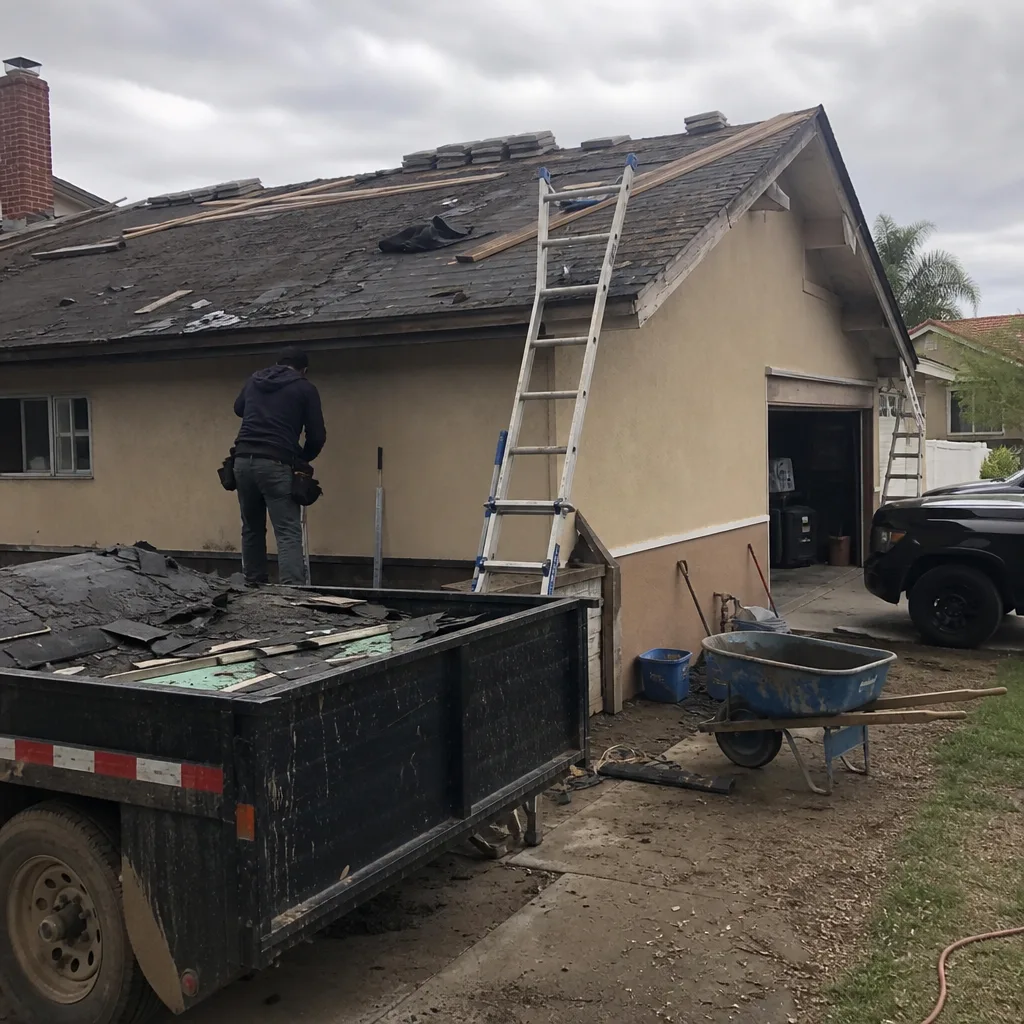 Before
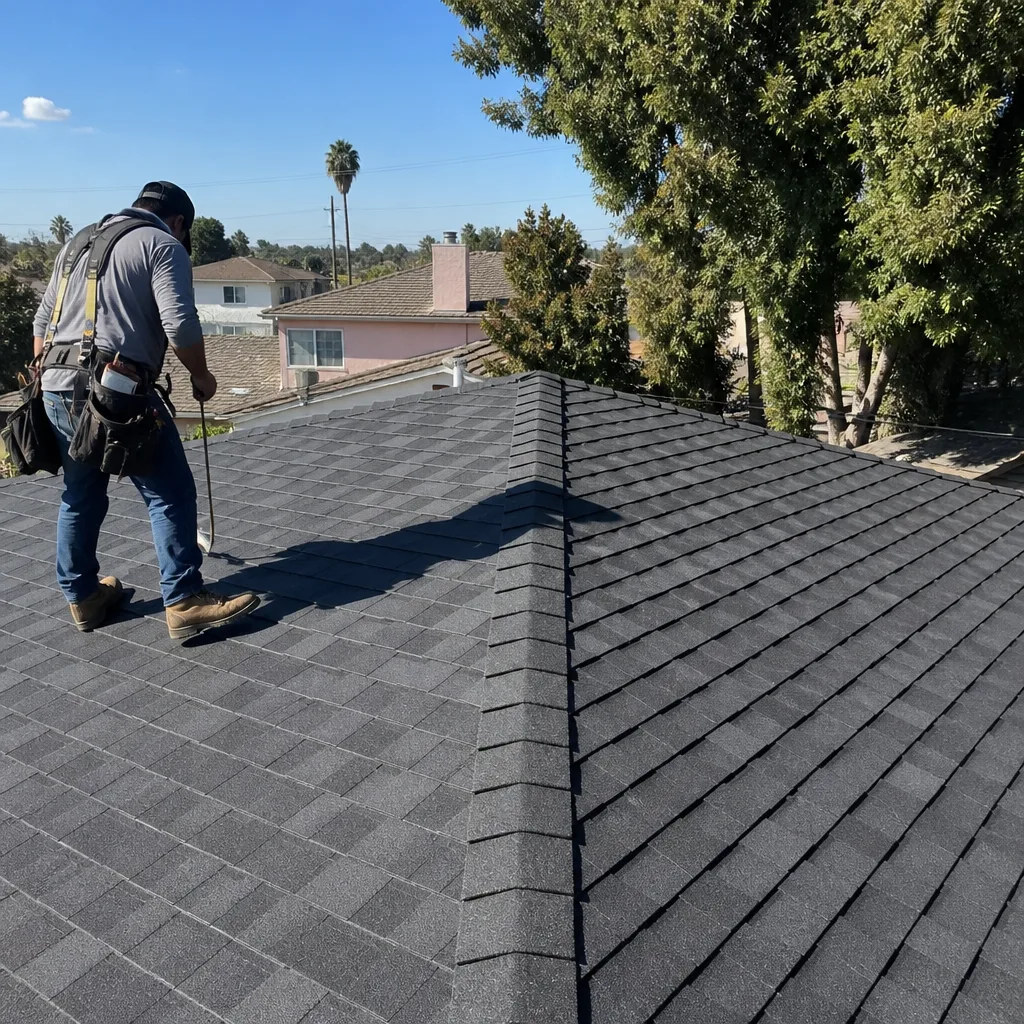 After
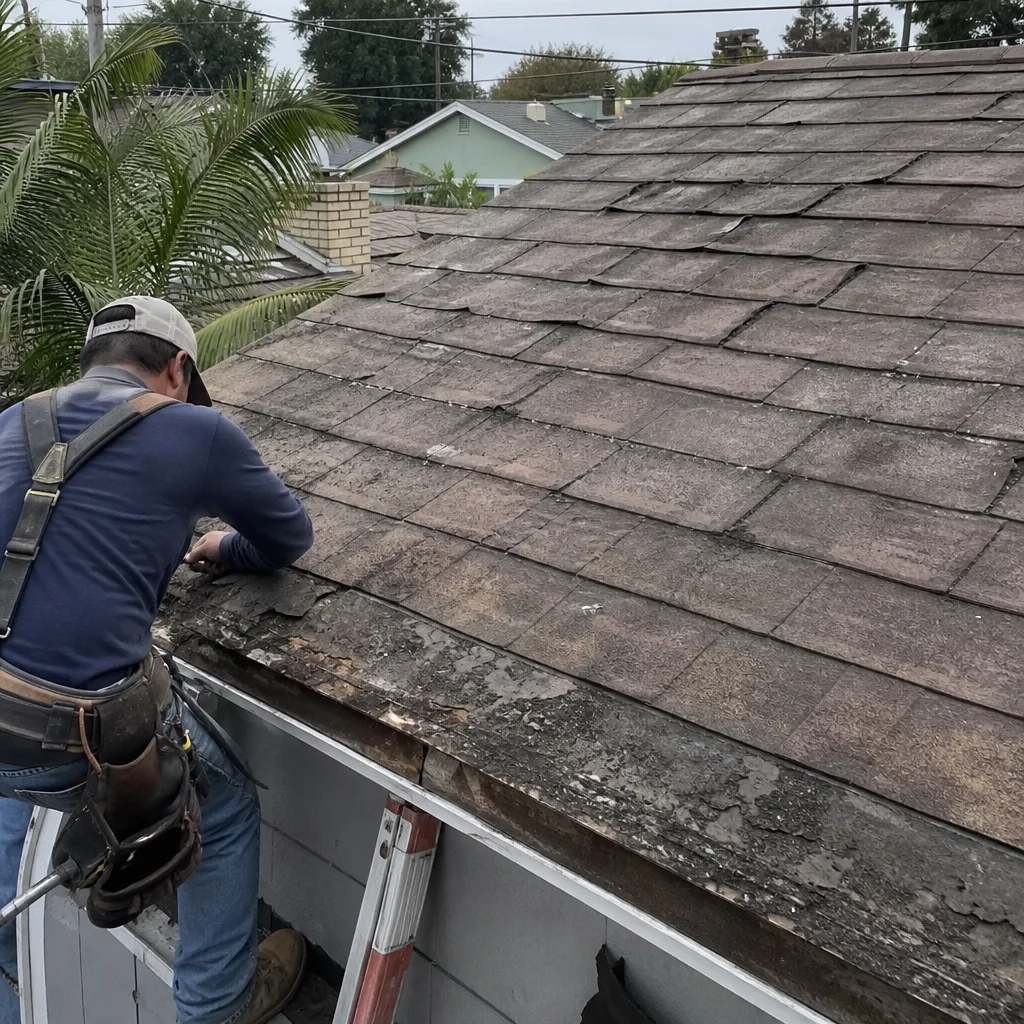 Before
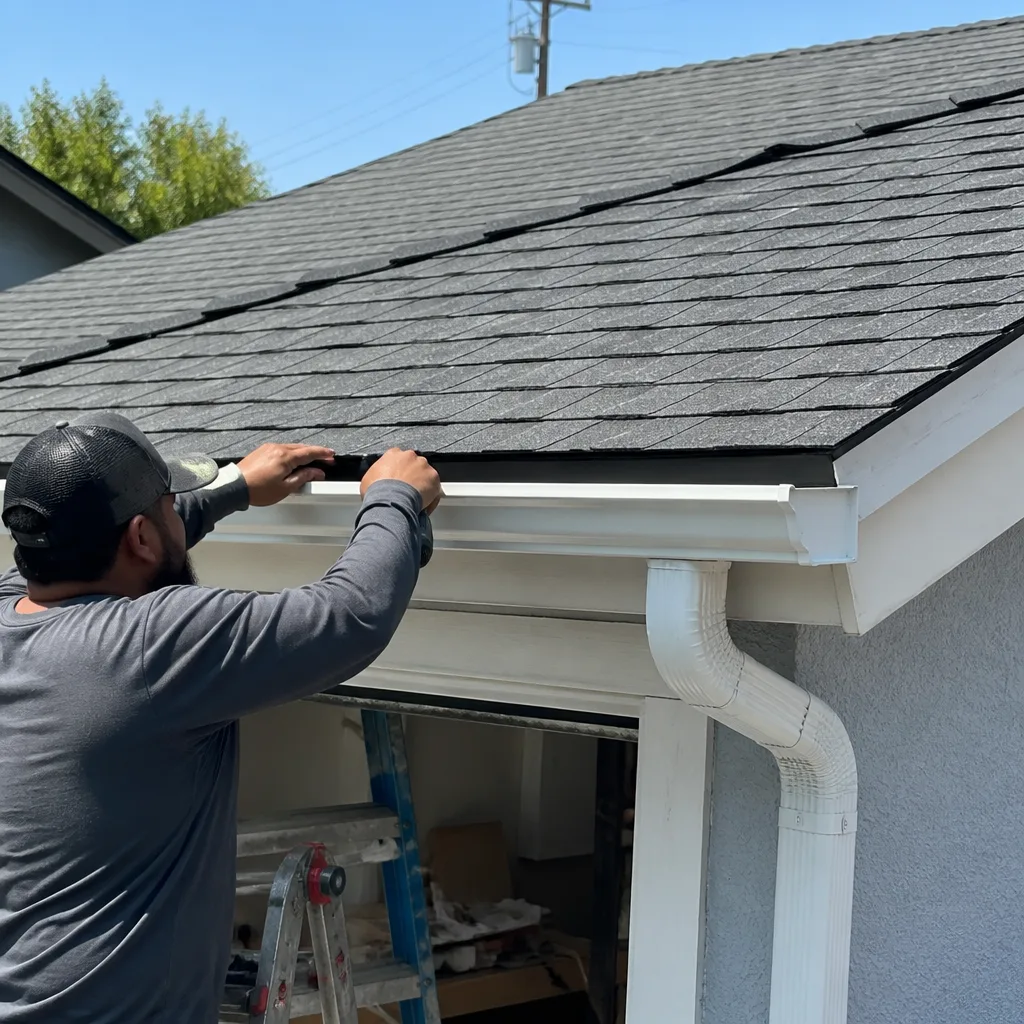 After