
Last updated October 30, 2026
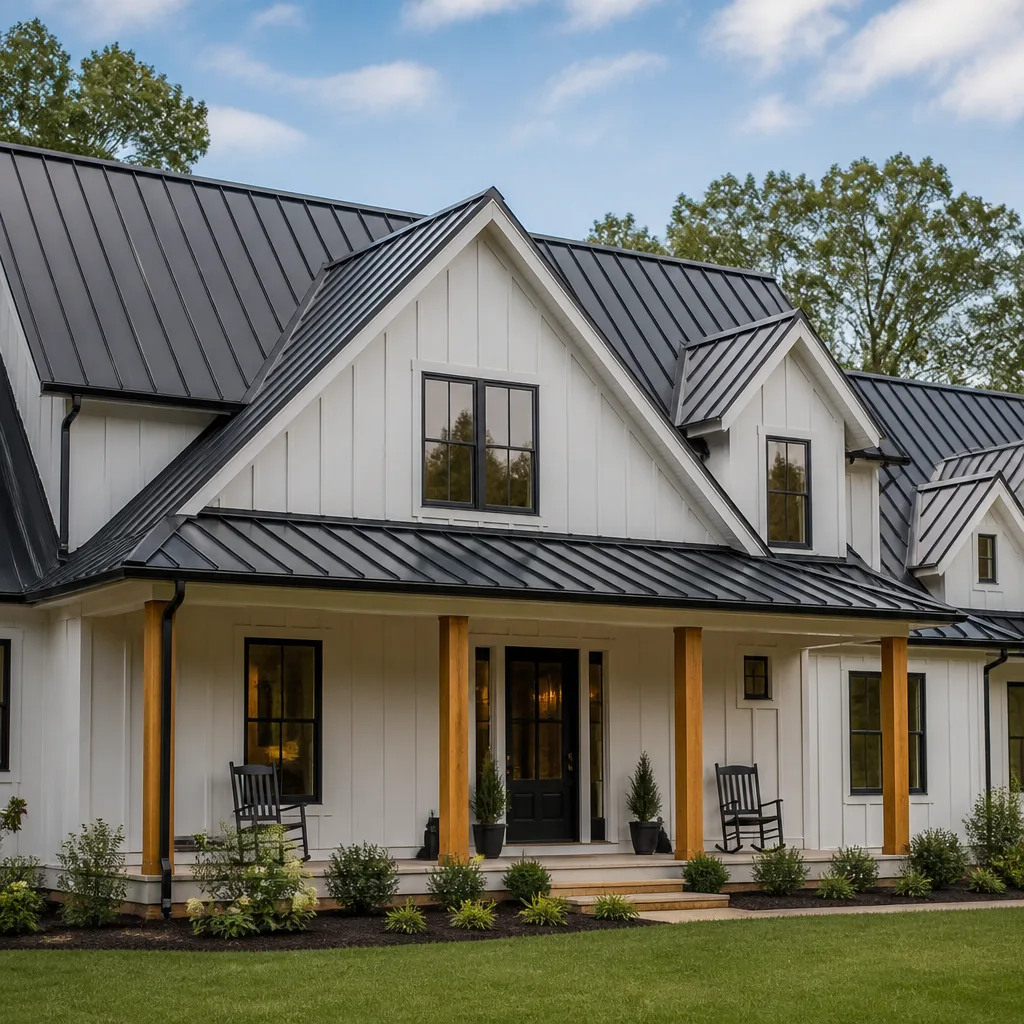 Metal roofing
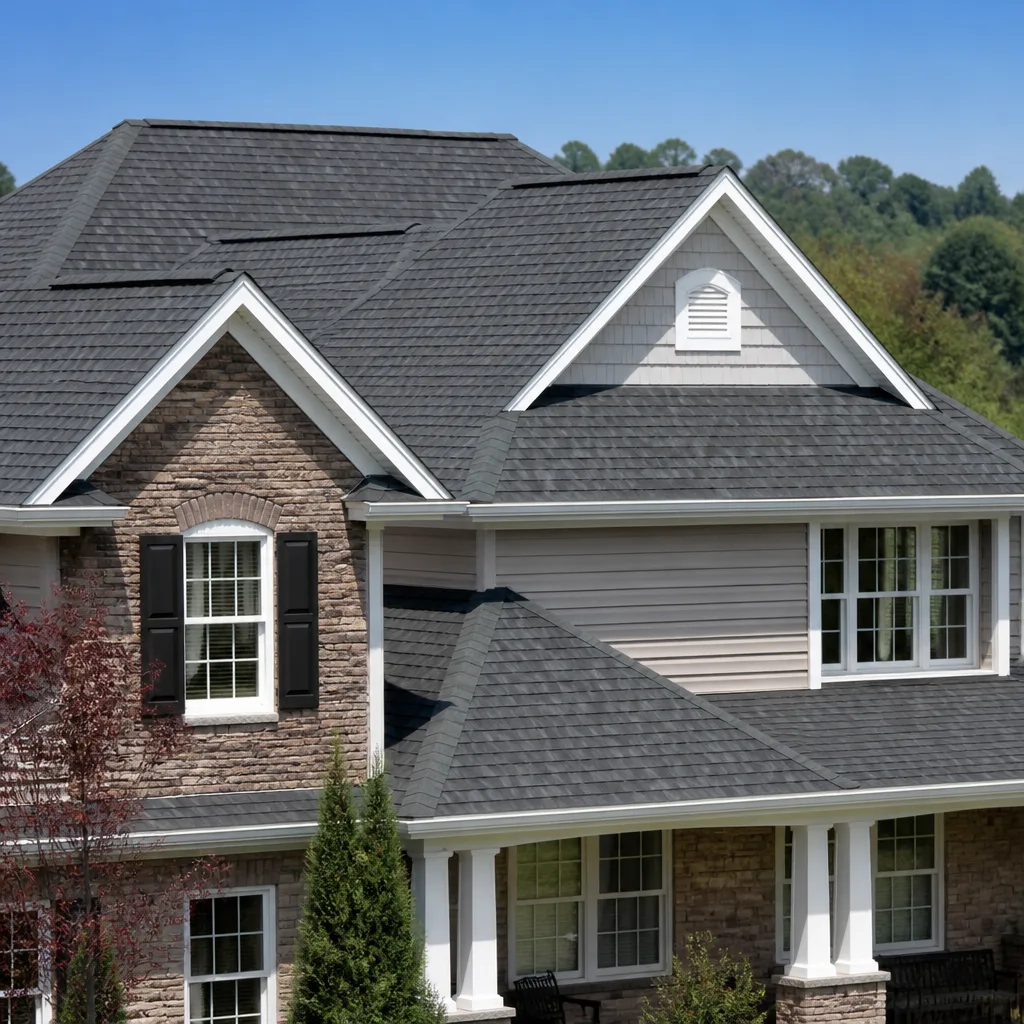 Architectural shingles
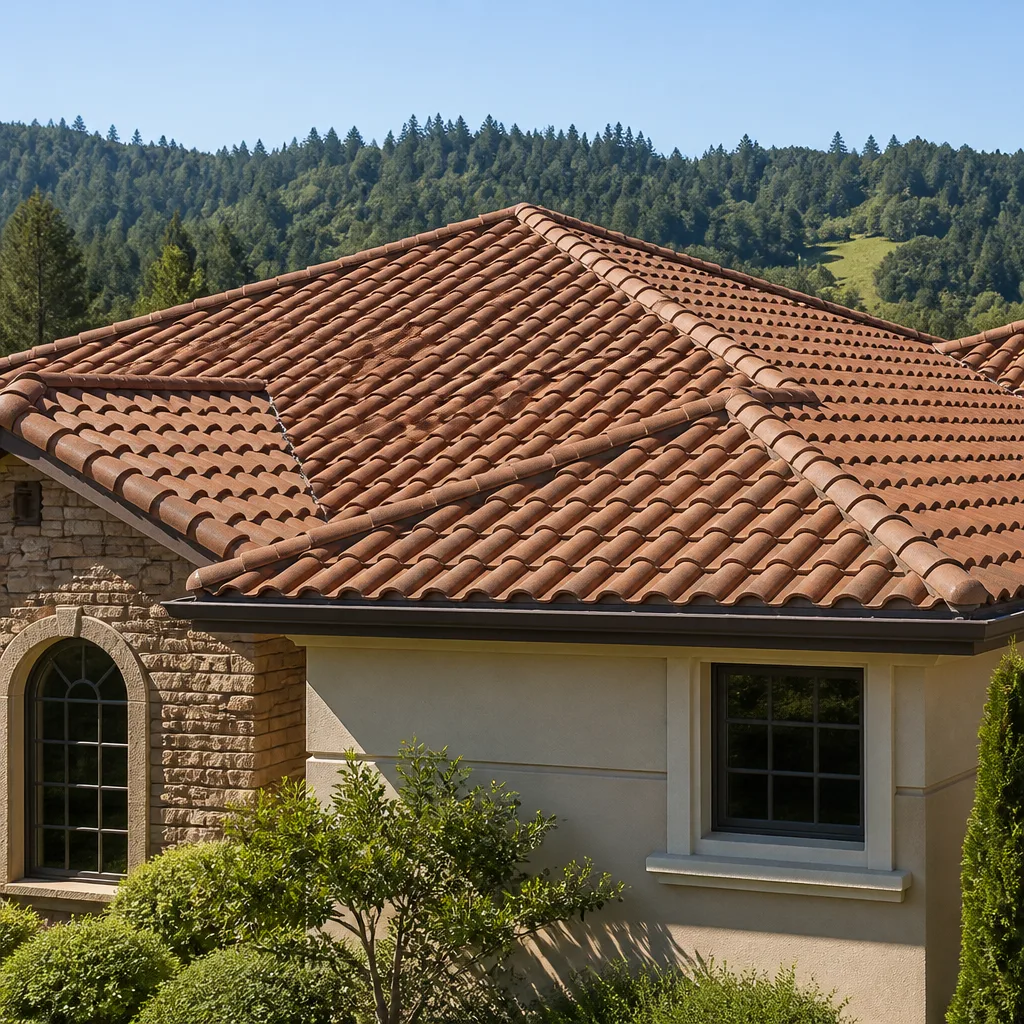 Tile roofing
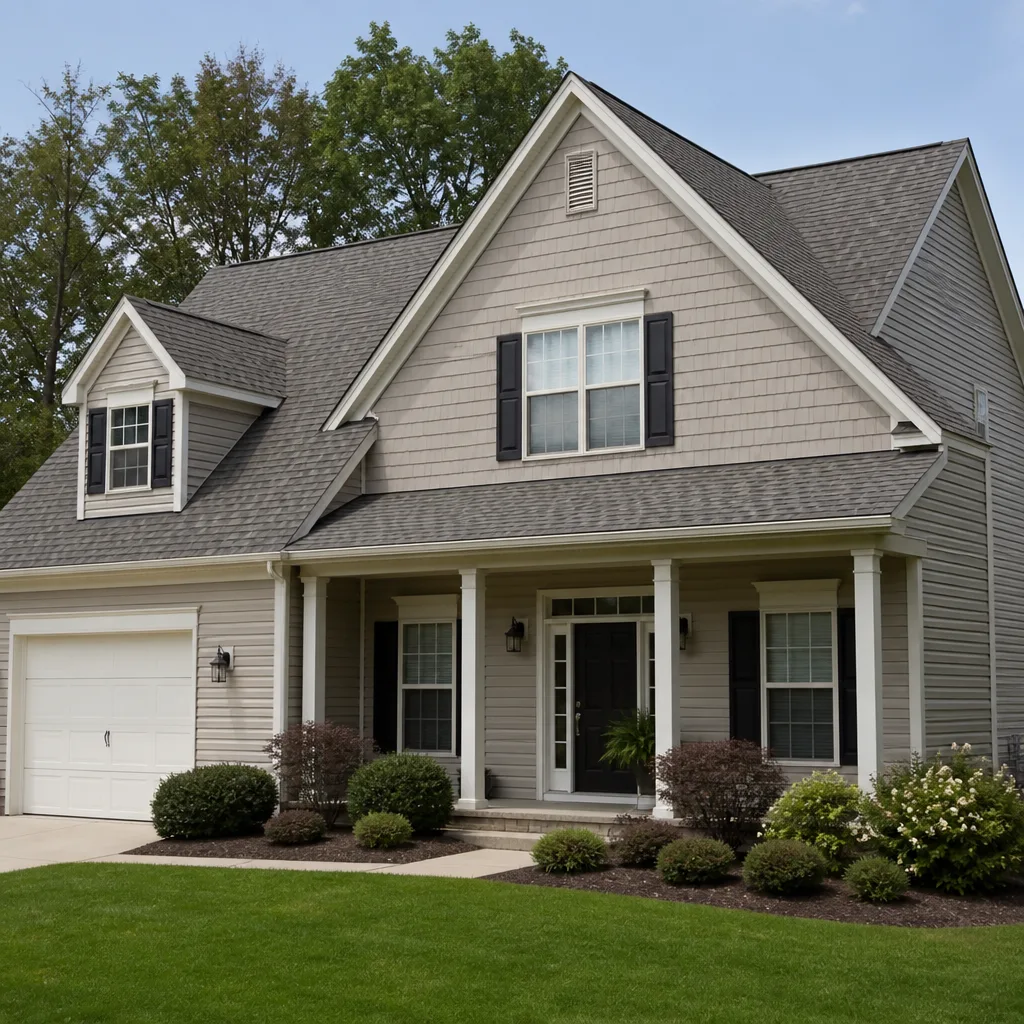 GAF
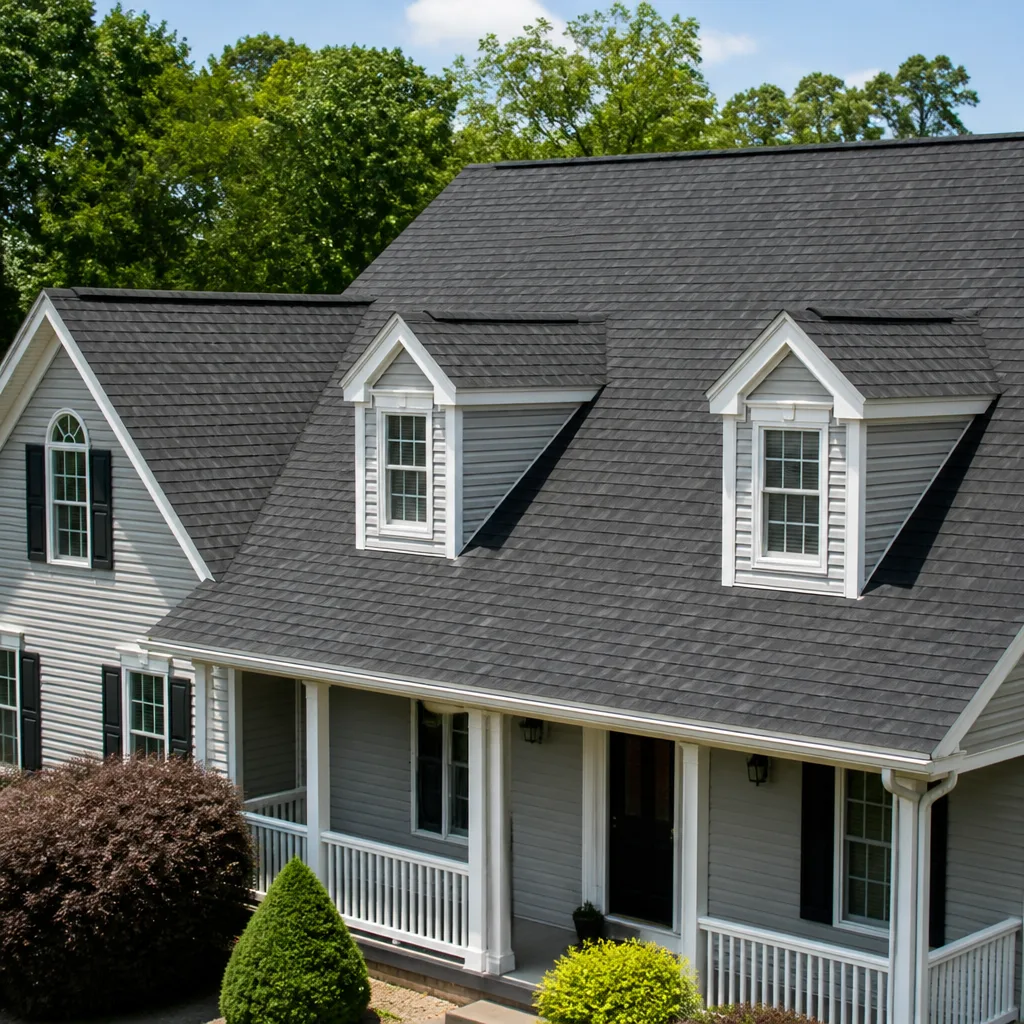 Owens Corning
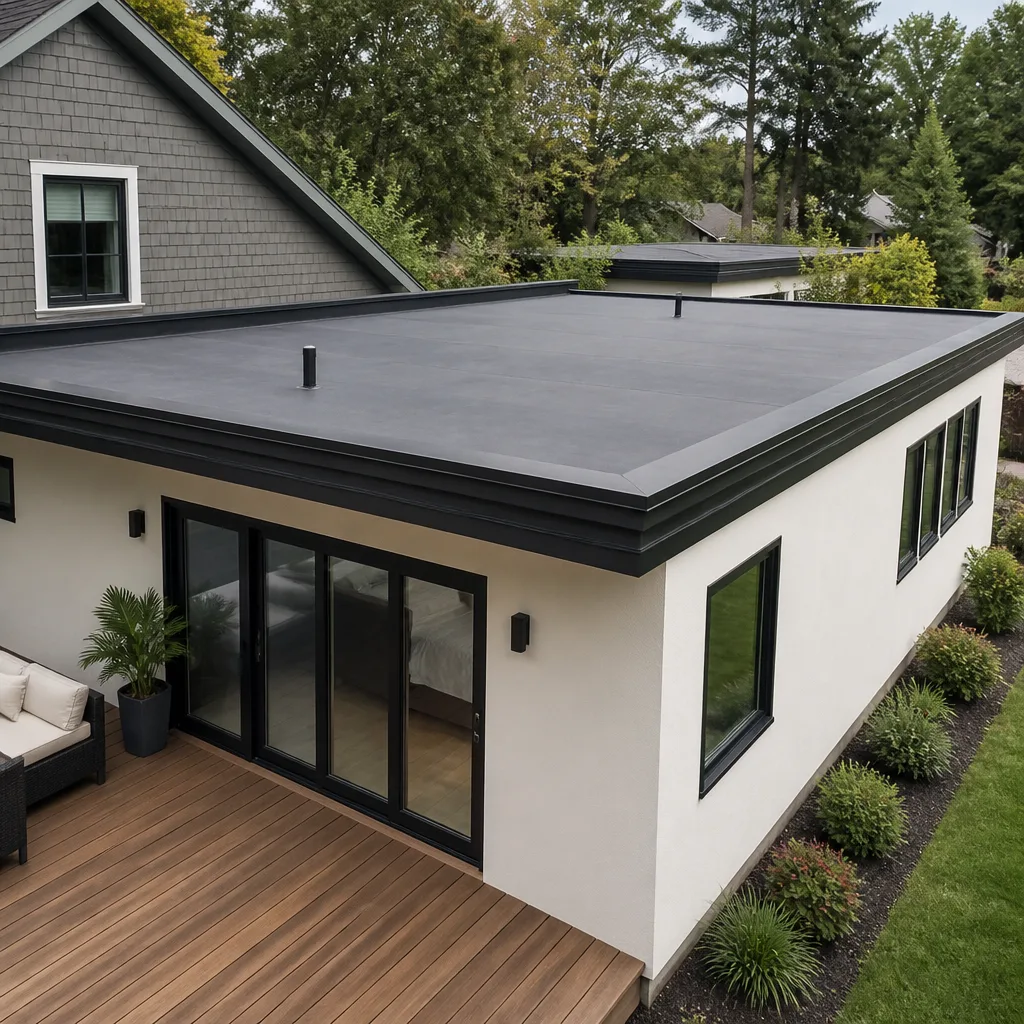 Flat & low-slope
Free roof inspection with deck photos before we talk money - GAF and Owens Corning certified installation
Choosing the Right Roofing Brand: A Buyer’s Guide for Anaheim
A 50-year shingle warranty is only meaningful if the manufacturer is still in business, the warranty is transferable, and the failure mode that actually occurs in Anaheim’s climate – granule loss from UV and thermal cycling, not the impact events most warranties prioritize – is covered under the terms. This guide translates the technical data sheets most homeowners never see into a practical brand comparison for Southern California’s specific exposure conditions, and you can find more guides & resources on our blog. You’ll learn which specifications actually predict performance here, how warranty fine print changes what you’re really buying, and why the contractor you choose is inseparable from the brand you select. By the end, you’ll be able to evaluate any roofing recommendation in Anaheim with the same lens a forensic roof inspector uses.
Quick Answer
The best roofing brand for an Anaheim home depends on your roof’s exposure category, slope, and whether you’re installing asphalt shingles, concrete tile, or a flat-roof membrane – not on warranty length alone. For a deeper dive, see The Complete Guide to Roofing in Anaheim. For most Anaheim homes with standard sloped roofs, GAF, CertainTeed, and Owens Corning offer shingles with strong algae-resistance treatment and wind ratings suited to exposure category B conditions, while Boral leads in concrete tile for higher-end replacements. The contractor’s certification status with the brand matters as much as the brand itself, because many enhanced warranties are only enforceable when installed by a manufacturer-certified contractor.
Styles & brands we work with
Table of Contents
- What Anaheim’s Climate Actually Does to Roofing Materials
- The Three Technical Specs That Matter More Than Marketing
- How Manufacturer Warranty Terms Really Work
- Why Contractor-Brand Alignment Affects Your Warranty Validity
- Brand Comparison: GAF, CertainTeed, and Boral for Anaheim Homes
- The Supplier-Incentive Problem and How to Spot It
- Questions to Ask Before You Sign Anything
- Common Mistakes to Avoid
What Anaheim’s Climate Actually Does to Roofing Materials
Anaheim sits in a semi-arid Mediterranean climate zone where roofs face a specific combination of stressors that differs from coastal Orange County or inland desert communities. The city averages roughly 280 sunny days per year, and those days deliver intense UV radiation that breaks down asphalt binders and fades pigmented coatings faster than most national warranty formulas assume. Thermal cycling is the bigger hidden problem: summer daytime roof surface temperatures routinely reach 140 to 160 degrees Fahrenheit, then drop sharply overnight, causing materials to expand and contract thousands of times across a decade. That cyclic stress is what loosens granules, cracks sealants at flashing joints, and accelerates aging in ways a hail-impact warranty never addresses. The humidity from marine layer influence also matters in the morning hours, and when combined with heat, creates conditions where algae and moss species can establish on north-facing and shaded roof planes. Gutters near mature eucalyptus and sycamore trees in neighborhoods like West Anaheim and the Colony add organic debris that holds moisture against shingle edges and promotes biological growth. In our experience on roofs across Anaheim Hills and the flatlands, the failure mode we see most often is granule loss that starts at the shingle’s windward edges and progresses toward the center, not catastrophic blow-offs. That means the spec you should care most about isn’t wind uplift rating at 130 mph but the quality of the granule adhesion bond and the UV-stability of the asphalt compound. Homeowners who choose a brand based primarily on a “lifetime” or “50-year” marketing claim without checking the proration schedule and transfer terms are often buying a piece of paper, not roof performance.
The Three Technical Specs That Matter More Than Marketing
When we walk a roof in Anaheim, three data points on the manufacturer’s technical sheet tell us more than any advertising brochure. These specs are published for every qualified product, but they’re rarely explained in terms a homeowner can act on. Here’s what they mean for your home specifically in Orange County.
Solar Reflectance Index (SRI)
SRI is a number from 0 to 100 that combines solar reflectance and thermal emittance to measure how hot a surface gets in direct sun. A standard dark asphalt shingle has an SRI around 22 to 29 and can hit 160 degrees on a July afternoon in Anaheim. A high-SRI “cool roof” shingle or a light-colored concrete tile can have an SRI above 45 and run 30 to 40 degrees cooler at the surface. That temperature difference translates directly into attic heat, cooling load, and the speed at which the roofing material itself oxidizes. Anaheim’s Title 24 energy code requirements for re-roofing projects mandate minimum SRI values for low-slope roofs in most cases, and while steep-slope residential roofs are generally exempt from the prescriptive requirement, choosing a high-SRI product for a flat-roof section over a garage or addition is often required. Brands vary significantly in their cool-color lines: GAF’s Timberline Cool Series and CertainTeed’s Landmark Solaris both offer high-SRI color options, while Boral’s concrete tile achieves high SRI naturally through its mineral composition and lighter color range. If your roof is dark and unshaded, this single spec may matter more to your long-term satisfaction than the warranty term.
Algae-Resistance Treatment Durability
Orange County coastal influence brings enough moisture to support the blue-green algae Gloeocapsa magma, which produces the dark streaking you see on many Anaheim roofs. Manufacturers add copper or zinc oxide to shingle granules to inhibit this growth, but the treatment’s durability varies significantly. Some budget shingle lines use granule coatings that lose their algaecidal effectiveness within 5 to 8 years, while premium lines from GAF and CertainTeed document 10- to 15-year algae-resistance periods in their technical literature. The giveaway is whether the manufacturer lists a specific algae-resistance warranty period as a separate line item or buries it in general text. A separate, transferable algae-resistance warranty with a defined period is a sign the manufacturer stands behind the granule chemistry. For Anaheim homeowners with heavy tree cover on the north roof plane, this spec is worth more than a longer overall material warranty, because biological discoloration is the visible problem that triggers an early re-roof, especially if a future home sale inspection flags it.
Wind Uplift Rating at ASCE 7 Exposure Category B or C
Most of Anaheim is classified as wind Exposure Category B under the ASCE 7 standard used by building codes: urban and suburban terrain with buildings, trees, and other obstructions that reduce wind speed near the ground. Some hilltop streets in Anaheim Hills and ridgeline homes with unobstructed east-facing slopes fall into Exposure Category C, which assumes open terrain with scattered obstructions. The wind uplift rating that matters is not the headline “130 mph” number, which is the maximum design wind speed for the region, but the tested uplift resistance at your specific exposure category. Shingle manufacturers report this as a “wind warranty upgrade” to speeds like 110 or 130 mph when installed with the full system: starter strips, specific nailing patterns, and sometimes a special underlayment. The catch is that the wind warranty upgrade only applies when every component is installed exactly per the manufacturer’s published installation instructions, and when the contractor is certified by that manufacturer. If your roofer substitutes a generic starter strip from a different brand or uses a nail pattern that deviates from the spec, the upgrade is void even if the shingle itself is the right product. This is the point where brand selection and contractor selection become the same decision.
How Manufacturer Warranty Terms Really Work
The roofing industry’s warranty language has evolved to be almost deliberately confusing, and the brands that market the hardest are often the ones with the most exclusion language. Here’s what actually varies between brands and product lines in ways that affect your wallet in Anaheim.
Proration Schedules
Most “lifetime” or “50-year” limited warranties are only non-prorated for a short initial period, typically 10 to 15 years for asphalt shingles. After that, the manufacturer pays a declining percentage of the shingle’s current market value, not the original purchase price, and certainly not the labor to remove and reinstall. A 30-year architectural shingle with a 10-year non-prorated period means that a failure in year 11 pays a fraction of what a failure in year 9 would pay. Some premium lines extend the non-prorated period to 15 years, and a few offer “lifetime non-prorated” language that applies only to the material cost, not labor. When you compare brands, ask for the specific non-prorated period in writing, not the headline warranty term, because a 30-year warranty with 15 non-prorated years is better protection than a 50-year warranty with 10 non-prorated years.
Labor Inclusion Periods
Enhanced warranties offered by GAF (Golden Pledge, Silver Pledge) and CertainTeed (SureStart Plus, SureStart) include labor costs for a defined period, typically 20 to 25 years on the premium programs. This matters because shingle material is the cheapest part of a re-roof; the labor to tear off, haul, and reinstall is what costs $300 to $500 per square in the current Anaheim market. A manufacturer that covers labor for 25 years is covering the expensive part, while one that covers only material is effectively offering a discount coupon on shingles. The labor-inclusive warranties require the entire roof system to be installed by a certified contractor using that manufacturer’s components exclusively: shingles, underlayment, starter strips, ridge caps, and in some cases roof deck protection and ventilation. This is not marketing upsell; it’s a genuine product difference that changes the value equation between brands.
Transferability
Resale value is a live issue in Anaheim, where houses change hands regularly and buyers order roof inspections as part of the purchase contract. A non-transferable roof warranty has zero value to a buyer, and the seller gets no credit for it. Some manufacturers allow transferability with no fee for the first transfer from the original homeowner; others allow transfer but prorate the remaining coverage at a reduced rate or cap the total warranty at the original term. The most common structure is one free transfer to a new owner within a specified time after the sale, with subsequent transfers requiring registration fees. Before you fall for a “lifetime” warranty pitch, verify that the lifetime applies to someone who buys the house from you in seven years. If the warranty dies at resale, its economic value died when you wrote the check.
Exclusion Language for Anaheim’s Common Failure Modes
The warranty exclusion section is where the brand comparison gets real. Most shingle warranties exclude damage from “weathering” or “normal wear and tear,” which is exactly what granule loss from UV exposure and thermal cycling is. A homeowner in Anaheim whose shingles lose granules after 12 years may file a claim only to be told the granule loss is cosmetic, excluded as normal weathering, or that the coverage is prorated to near zero. The brands that stand behind granule adhesion document it as a specific performance characteristic with a defined remedy period. CertainTeed, for example, publishes a granule loss standard in its technical specifications and includes granule adhesion in its quality inspection protocol. GAF covers granule loss under its StainGuard Plus algae warranty only when the loss is due to algae, not UV. The distinction matters, and it’s hidden in the fine print. When you’re comparing brands, read the “Exclusions” section before the “Coverage” section – what’s excluded tells you more about what the manufacturer actually believes about its product.
Why Contractor-Brand Alignment Affects Your Warranty Validity
You cannot separate the brand of shingle on your roof from the contractor who installs it, because the warranty you’re actually buying is a partnership between the manufacturer and the installer. This is the most under-discussed variable in the roofing brand conversation, and it explains why two roofs with identical shingles can have completely different warranty outcomes.
Certified Installer Requirements
Each major manufacturer operates a certification program with tiers. GAF Master Elite status, CertainTeed Select ShingleMaster certification, and Owens Corning Preferred Contractor designations all require documented training, ongoing education, insurance verification, and annual recertification. The enhanced warranties that include labor coverage and extended non-prorated periods are only available when the installation is performed by a contractor at one of these certification tiers. If you buy GAF Timberline shingles installed by a non-certified contractor, you get the basic material warranty only – no labor, shorter non-prorated period, no wind upgrade, no transferability. The shingle is identical; the warranty contract is not. In Anaheim, where summer installation schedules are compressed and contractors come in from Los Angeles and Riverside counties, the certification status of the crew leader on your job is a due-diligence item you should verify directly on the manufacturer’s website before signing a contract.
System Installation Requirements
Enhanced warranties also require the entire roofing system – not just the shingle – to be from the same manufacturer. GAF’s Golden Pledge requires GAF deck protection, GAF starter strips, GAF ridge cap shingles, and GAF-certified ventilation, all installed to the manufacturer’s published specifications that include nail placement, nailing pattern, and fastening schedule. A contractor who mixes a GAF shingle with a generic synthetic underlayment from another supplier has voided the system warranty, even if the shingle itself is perfectly installed. This is why the honest contractor conversation includes brand selection: if you want the CertainTeed warranty, you’re committing to a CertainTeed system, installed by a CertainTeed-certified contractor. If the contractor you prefer is only certified for Owens Corning, your brand choice is effectively made. The decision is a package, not a menu.
Inspection and Documentation Requirements
Manufacturers require installation documentation for warranty registration: photos at specific stages, the permit number, proof of product purchase, and sometimes a post-installation inspection by the manufacturer’s field representative. In Anaheim, where city permit records are public, the paper trail matters. A contractor who pulls the permit, files the registration on time, and maintains records is protecting your warranty; a contractor who doesn’t is leaving you with a shingle product and no enforceable claim. We’ve had homeowners in Anaheim reach out after a roof failed in year 9 only to discover the original contractor never registered the warranty and had gone out of business. The manufacturer had no record, and the homeowner had no claim. The brand on the shingle was irrelevant. The installer’s administrative discipline was the entire ballgame.
Brand Comparison: GAF, CertainTeed, and Boral for Anaheim Homes
We install products from seven manufacturers: GAF, CertainTeed, Owens Corning, IKO, Atlas, Tamko, and Boral. We recommend based on the roof’s condition, exposure, and the homeowner’s budget, not on which supplier sends us a volume rebate at the end of the quarter. Here’s how three of the brands most relevant to Anaheim compare on the technical criteria that matter in this climate, based on published spec sheets and field performance, not marketing language.
GAF Timberline Series (Asphalt Shingle)
GAF is the dominant brand in the Southern California market, and Timberline architectural shingles are on more Anaheim roofs than any other single product line. The Timberline HDZ line with LayerLock technology publishes a 133 mph wind rating when installed with the full GAF system, which exceeds Anaheim’s design wind speed requirements for Exposure B conditions by a substantial margin. The Cool Series color options address SRI for homeowners who want a darker roof without the full heat penalty. GAF’s Golden Pledge and Silver Pledge warranties include labor coverage for 25 and 20 years respectively, with transferability available. The StainGuard Plus algae-resistance treatment carries a 25-year warranty that is separate and transferable, which is strong documentation for Anaheim’s algae-prone neighborhoods. The trade-off is that GAF’s certification requirements are the most stringent in the industry: Master Elite status requires a documented track record, and the enhanced warranties are only available through that channel. If you want the strongest paper warranty in the market, GAF through a Master Elite contractor is the benchmark.
CertainTeed Landmark Series (Asphalt Shingle)
CertainTeed’s Landmark line has a different technical profile. The StormMaster and Landmark Solaris products publish high SRI values with good algae-resistance chemistry, and CertainTeed’s SureStart Plus program covers labor for 25 years on qualifying installs. CertainTeed’s approach to granule adhesion uses a different granule grading specification than GAF, which in our field observation tends to show less early-stage granule loss on steep south-facing slopes in Anaheim Hills. The warranty transfer language is one free lifetime transfer with reduced subsequent transfer benefits. CertainTeed is also the parent company of Boral’s competitor brands in the tile space through its ownership structure, which matters if you’re considering a tile-to-shingle or shingle-to-tile conversation. The contractor certification program – CertainTeed Select ShingleMaster – is less exclusive than GAF Master Elite, which means more contractors qualify, but the enhanced warranty terms still require documented system installation.
Boral Concrete Tile (Roof Tile)
Boral leads the concrete tile category in Orange County, and for good reason. Their tile products achieve naturally high SRI values due to the light color range and mineral composition, with additional cool-roof coatings available for dark tones. Concrete tile’s thermal mass regulates attic temperature differently than asphalt shingles: the tile itself absorbs heat and releases it slowly, reducing peak attic temperatures in Anaheim’s summer extremes. Boral tile roofs routinely outlast two asphalt shingle roofs. The warranty terms are different from shingle warranties: Boral’s standard coverage for concrete tile is typically 50 years with a non-prorated period that varies by product line, and the installation requirements are governed by the Tile Roofing Industry Alliance standards rather than Boral-specific system components. The trade-off is structural: concrete tile weighs 600 to 1,000 pounds per square versus 250 to 350 for asphalt shingles, and many Anaheim homes built with composition shingles are not engineered for tile without structural evaluation. If your home was originally tile-roofed and you’re replacing in kind, Boral is the category leader and the choice is straightforward. If you’re considering converting from shingle to tile, the conversation starts with whether your roof structure can carry the load, not which tile brand to choose.
The Supplier-Incentive Problem and How to Spot It
Roofing contractors have financial relationships with material suppliers that influence what gets recommended to homeowners, whether the contractor admits it or not. The mechanism is simple: a contractor who buys $300,000 of shingles from a single distributor in a year gets a volume rebate at year-end, a marketing coop allowance, or both. That creates an incentive to recommend that distributor’s brands even when another brand would serve the customer better. The problem is worse in markets like Anaheim, where a handful of large distributors control most of the roofing material supply and offer volume tiers that increase rebate percentages as purchase volume climbs.
The Questions That Reveal Whether a Recommendation Follows the Job or the Rebate
You can identify incentive-driven recommendations in the first conversation with a contractor. Here’s what to ask:
- How many brands are you certified to install, and which ones? A contractor certified for one brand only has one answer to every question. A contractor certified for three or more brands has choices and is only limited by which brands their supplier stocks at volume discount.
- Why are you recommending this brand for this roof specifically? The answer should reference your roof’s exposure, slope, tree cover, and budget. If the answer is “it’s what we always use” or “it’s the best on the market,” the contractor is reciting a habit, not making a diagnosis.
- What would you recommend if this roof were on a north-facing shaded lot with eucalyptus trees? A contractor who can adjust the recommendation based on conditions understands materials. One who can’t is selling what’s on the truck.
- Do you receive volume rebates from your supplier for this brand? The honest answer is always yes or no. The dishonest answer is discomfort. If the contractor avoids the question, you have your answer.
At Bedrock Roof Repair, we’re certified to install products from GAF, CertainTeed, Owens Corning, IKO, Atlas, Tamko, and Boral. We recommend based on your roof’s actual condition: we inspect first, determine what the roof needs – repair, replacement, or nothing yet – and then match the brand to the job. Seven leading brands. One honest recommendation. The brand breadth means we’re never locked into a single supplier relationship, and the recommendation follows the job, not a volume rebate.
Questions to Ask Before You Sign Anything
You’ve read the spec sheets, compared the warranties, and shortlisted two or three brands. Before you sign a contract in Anaheim, these questions will flush out the remaining variables that determine whether the brand performs as promised.
- What is the non-prorated period, in writing? Get the specific number of years from the manufacturer’s warranty summary that applies to your product line, in writing, from the contractor. If they can’t produce it on the spot, they haven’t read it either.
- Is the warranty transferable, and what are the transfer terms? Get the transfer fee, the number of transfers allowed, and whether the new owner receives the full remaining term or a reduced benefit. This matters for resale in Anaheim’s market.
- Are you certified by this manufacturer, and what is your certification tier? Verify the answer on the manufacturer’s website before you sign. The manufacturer publishes its certified contractor list and updates it regularly.
- Will every component in the roof system be from this manufacturer? Underlayment, starter strips, ridge caps, ventilation, and any accessory products. If the answer is anything other than yes, the enhanced warranty doesn’t apply.
- Will you register the warranty with the manufacturer within the required timeframe? Get confirmation that registration will happen and a copy of the registration confirmation will be provided to you. This is the most commonly skipped step in roofing installs.
- What permit will be pulled, and what inspections will be scheduled? Anaheim requires permits for re-roofing, and the permit record is what ties your roof to code compliance. A contractor who suggests skipping the permit is offering you savings that cost you in resale and insurance.
Common Mistakes to Avoid
- Buying warranty length instead of warranty terms. A 50-year warranty with a 10-year non-prorated period and no labor coverage is worth less than a 30-year warranty with 25 non-prorated years and full labor. The term on the box is marketing. The non-prorated period and labor inclusion are the product.
- Ignoring SRI completely when choosing shingle color. Anaheim homeowners who select a dark shingle without checking the SRI rating are committing to higher attic temperatures for decades, and potentially installing a product that doesn’t meet Title 24 requirements for a low-slope section over a garage or addition.
- Selecting the brand before selecting the contractor. The enhanced warranty programs are contractor-dependent. You can’t buy a GAF Golden Pledge from a non-certified installer, even if the shingles are GAF. Pick the contractor based on capability and certification, then choose the brand within their qualified range.
- Assuming concrete tile is always the premium choice. Boral tile is a great product, but on a home that wasn’t engineered for tile weight, the structural retrofit cost can exceed the entire shingle roof replacement. Tile is not an upgrade; it’s a different roof system.
- Overlooking the roof’s existing condition before replacement. The most expensive mistake in Anaheim is replacing a roof that only needed repair. Request an Roof Inspection in Anaheim before committing to a brand or a replacement. If the roof can be repaired, that brand conversation happens later – when it’s actually needed.
- Taking a recommendation at face value without checking rebate incentives. Contractors with exclusive supplier arrangements will always recommend that supplier’s brand. Ask the rebate question. The answer tells you whether the recommendation is diagnostic or transactional.
- Skipping the manufacturer’s certification verification. Contractors sometimes list brands on their website without holding active certification. Verify before you sign. The manufacturer’s web portal takes two minutes, and the difference is a warranty that’s enforceable versus one that’s a piece of paper.
See the difference
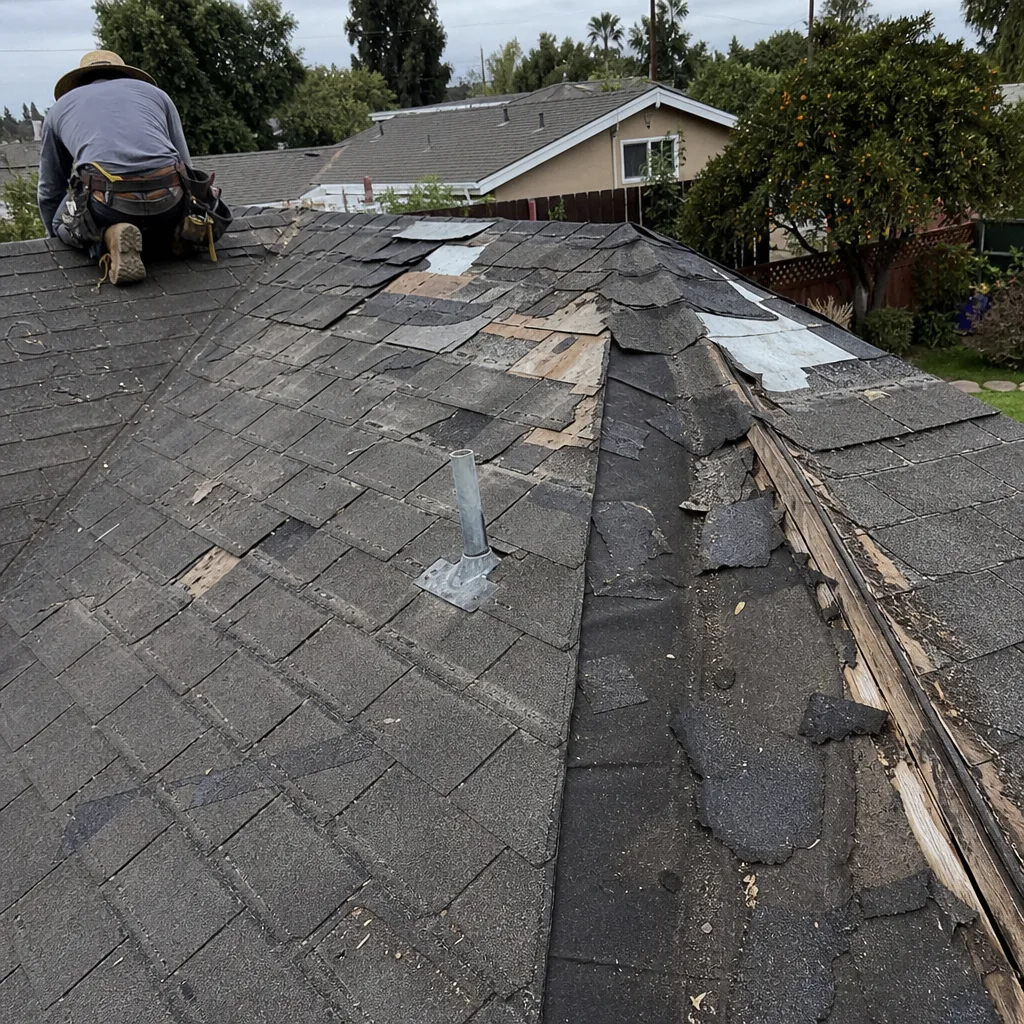 Before
 After
 Before
 After
 Before
 After
When to Call a Professional
A brand decision can wait. A roof that’s actively leaking or showing signs of structural distress cannot. If you see water staining on your ceiling after a rain event in Anaheim, granule accumulation in your gutters, shingles that are curled, cracked, or missing, or daylight visible through the roof deck from inside the attic, call a professional immediately. These are failure indicators, not brand questions, and delaying the inspection compounds the damage. The same urgency applies if your tile roof shows multiple slipped or broken tiles, especially after the Santa Ana wind season, or if your flat roof has visible ponding water 48 hours after rain. Not every roof problem requires replacement – most don’t. Bedrock Roof Repair offers free estimates in Anaheim – call (833) 589-7850 to schedule an inspection and get a straight answer on what your roof actually needs: repair, replacement, or nothing yet. Our Bedrock Roof Repair home page explains our full lifecycle approach, and if you’re already in the decision phase, compare our Roof Repair in Anaheim and Roof Replacement in Anaheim pages to understand the scope difference.
Frequently Asked Questions
The best brand depends on your roof’s slope, exposure, and whether you’re installing asphalt shingles or concrete tile. For most Anaheim homes with sloped roofs, GAF Timberline through a Master Elite installer offers the strongest documented warranty package, while CertainTeed Landmark lines are a close second with comparable technical specifications and sometimes better granule retention on steep south-facing slopes. Boral is the category leader for concrete tile. Call (833) 589-7850 for a roof assessment that matches the brand to your specific conditions.
Anaheim roof replacement costs vary widely based on material, roof size, and tear-off requirements. A standard architectural shingle replacement on a typical 1,800-square-foot Anaheim home generally runs between $12,000 and $25,000, while concrete tile replacement is higher due to material weight and installation labor. The brand selection doesn’t change the price as much as the system requirements do: enhanced warranties require full manufacturer systems, which add material cost but extend the coverage. Call (833) 589-7850 for an exact quote – estimates are free, and we’ll give you a written line-item breakdown before any work starts.
Not necessarily. A 50-year warranty with a 10-year non-prorated period and no labor coverage is less valuable than a 25-year warranty with a 15-year non-prorated period and labor inclusion. The number that matters is the non-prorated period, not the headline term. Additionally, the warranty is only valid if the entire system is installed by a manufacturer-certified contractor according to the manufacturer’s specifications. Call (833) 589-7850 to talk through warranty comparisons for your specific brand options.
Yes, Anaheim requires a building permit for roof replacements, and most re-roofing projects trigger at least one city inspection. Legitimate contractors pull the permit as part of the job scope; a contractor who suggests skipping the permit is transferring legal and resale risk to you. The permit record ties your roof to code compliance and provides documentation that supports warranty claims. If you need a roof inspection before deciding on replacement, call (833) 589-7850 – we’ll pull the right permits and schedule the inspections for you.
Only if your roof structure is engineered to carry the additional weight. Concrete tile weighs 600 to 1,000 pounds per square, while asphalt shingles weigh 250 to 350 pounds per square. Homes in Anaheim built with composition shingles often lack the structural capacity for tile, and conversion requires a structural engineering evaluation and potentially significant framing upgrades. If your home was originally built with tile and you’re replacing in kind, the decision is straightforward. Call (833) 589-7850 to schedule a structural evaluation before committing to a tile brand.
Contractors who are certified for only one brand or who have volume rebate arrangements with a single supplier will recommend that brand regardless of your roof’s conditions. A contractor certified for multiple brands can match the product to your roof’s exposure, slope, shade pattern, and budget. The brand recommendation should follow the job, not the supplier incentive. Ask the contractor how many brands they’re certified for and whether they receive volume rebates – the answer tells you what’s driving the recommendation. Call (833) 589-7850 to talk through your options with a contractor who installs seven brands and recommends based on your roof, not a rebate.
The Bottom Line
The right roofing brand for your Anaheim home is the one with proven algae resistance, a high SRI rating appropriate for your roof’s orientation, a wind rating that exceeds your exposure category requirements, and a warranty whose non-prorated period and labor inclusion actually cover the failure modes that occur here. No single brand wins on every criterion: GAF offers the strongest enhanced warranty ecosystem, CertainTeed’s granule chemistry performs well on steep south-facing slopes, and Boral dominates concrete tile where structure allows. The contractor you choose is the variable that determines whether the brand’s promises are enforceable. Inspection first, repair when possible, replacement when necessary – and the brand decision follows the actual roof condition. Call (833) 589-7850 for a free estimate in Anaheim, and we’ll tell you what your roof actually needs.
Written by the team at Bedrock Roof Repair, serving Anaheim since 2018.